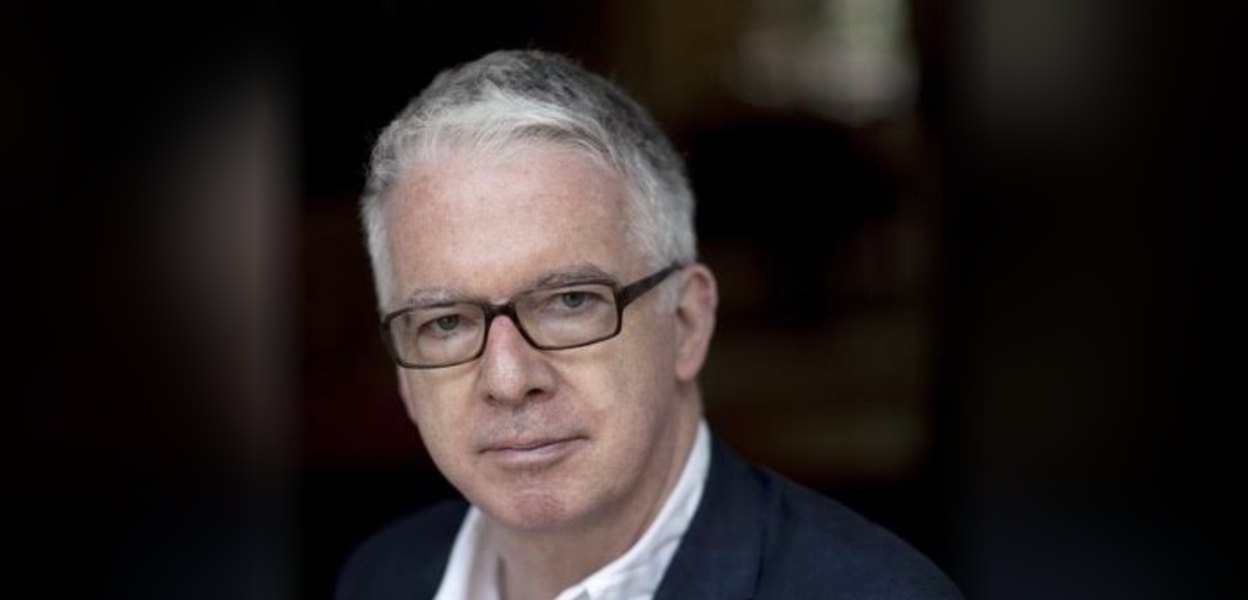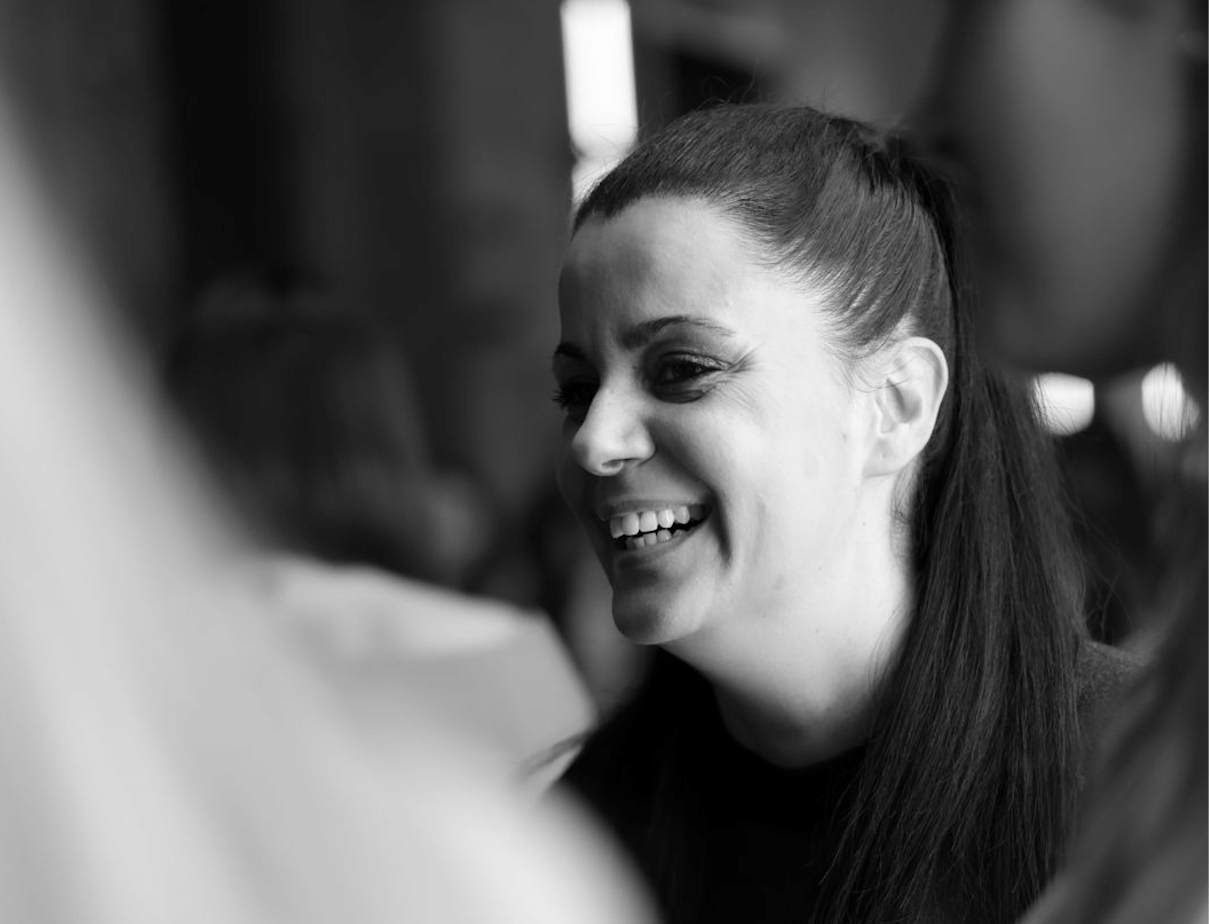

FLORENCE — As Palazzo Strozzi shows Broken, its exhibition on the fragment in sculpture, Isabella Talone takes a small group into Florence’s Oltrarno workshops on November 14 for Il frammento come Arte (The fragment as art). After more than 20 years in fashion, she founded Miciporto, which builds experiences around places most visitors never enter.
Q. Cities are rationing access and charging for it. Where does Miciporto fit?
“Too often tourism consumes places without understanding them. But I do not think the answer can simply be a price at the entrance or a cap on visitors. For me exclusivity should not mean the privilege of entering where others cannot, but the chance to live something we would never otherwise get to know.”
Q. How does a convent or a closed palazzo come to say yes?
“It starts with trust. I start from a story, then look for the places that can give it shape. I do not consider visibility an automatic substitute for payment, and every professional skill must be recognised. I am not interested in opening a door just to say I opened it.”
Q. How much of the price reaches the artisans and art historians?
“Every experience is its own project, so costs vary and one percentage would not be accurate. People rarely see the work beforehand, research, site visits, and permissions, which can take months. Our agreements with partners stay confidential.”
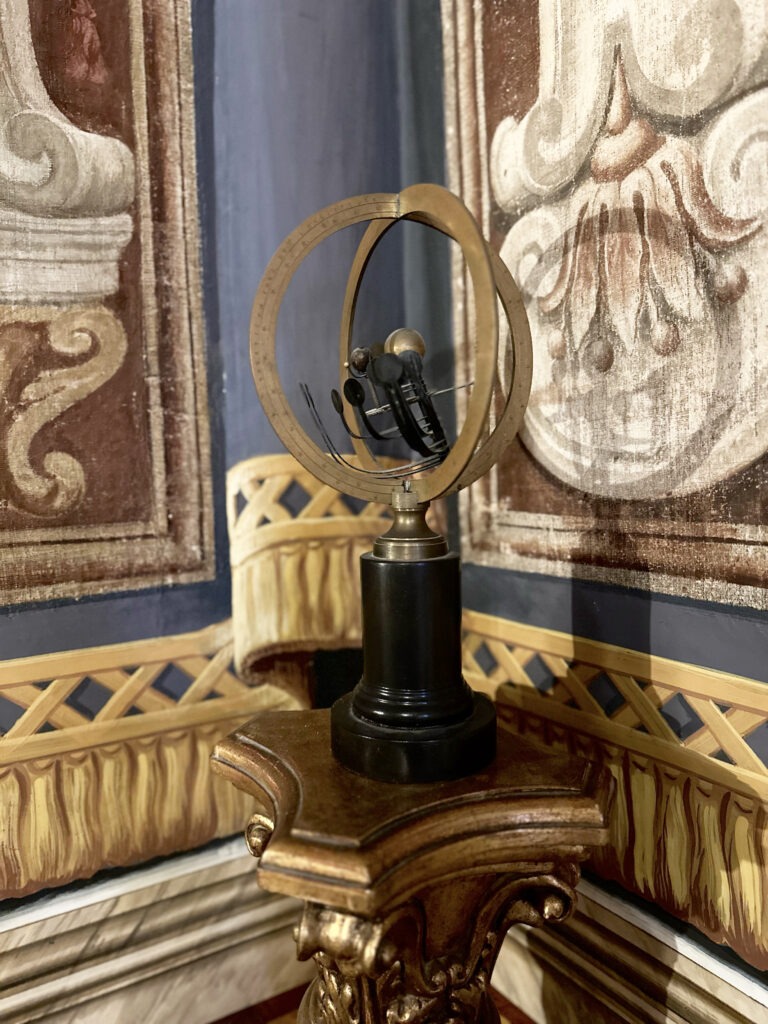
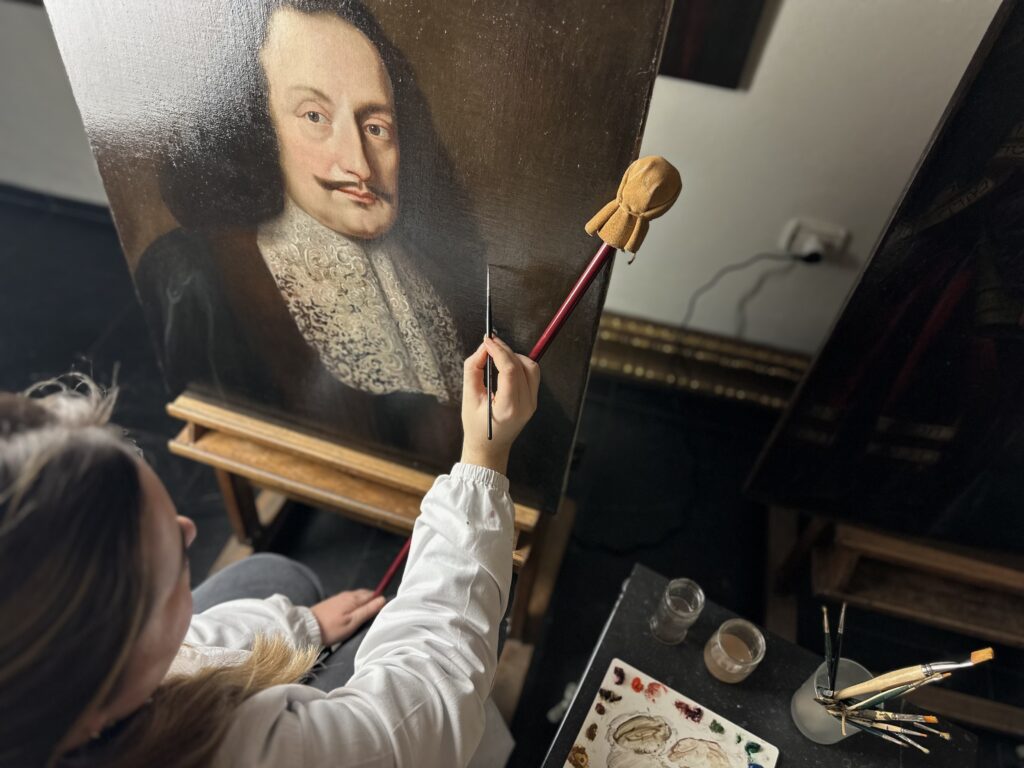
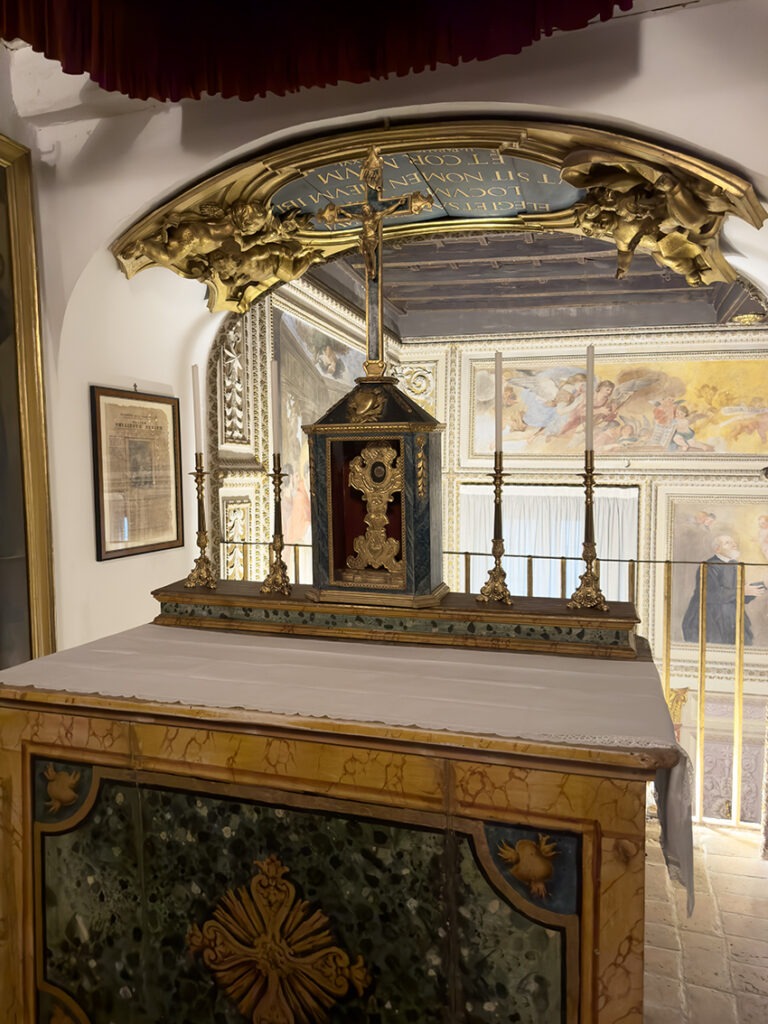
Q. The FAI (Italy’s National Trust) opened more than 700 places in October for a free donation. What does Miciporto add?
“The FAI’s work is extraordinary, and we should not be set against each other. Miciporto does not sell access to a place. It builds a cultural experience around it. The question is not choosing between access and private experiences. It is making sure the second do not take opportunities from the first.”
Q. What is not yet sustainable?
“Economic sustainability is one of the hardest challenges for a small independent business. When you choose not to work on volume, you must balance quality, costs, and price very carefully. I do not want to present Miciporto as a perfect model.”
Q. Who are guests meeting in Venice and Florence?
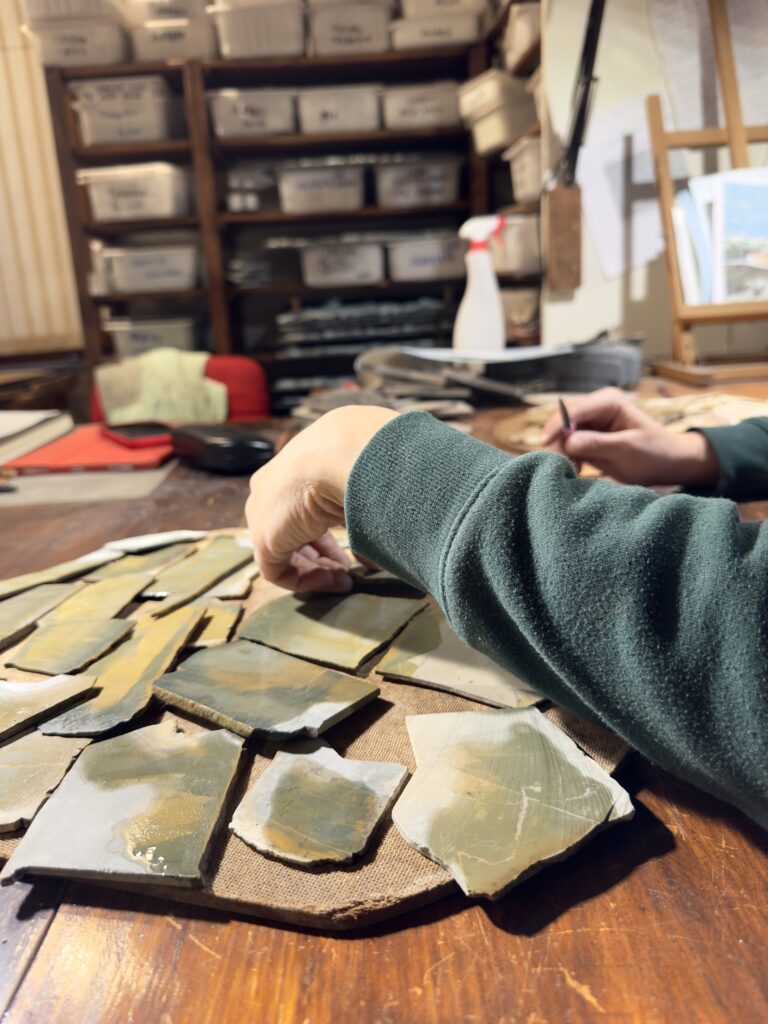
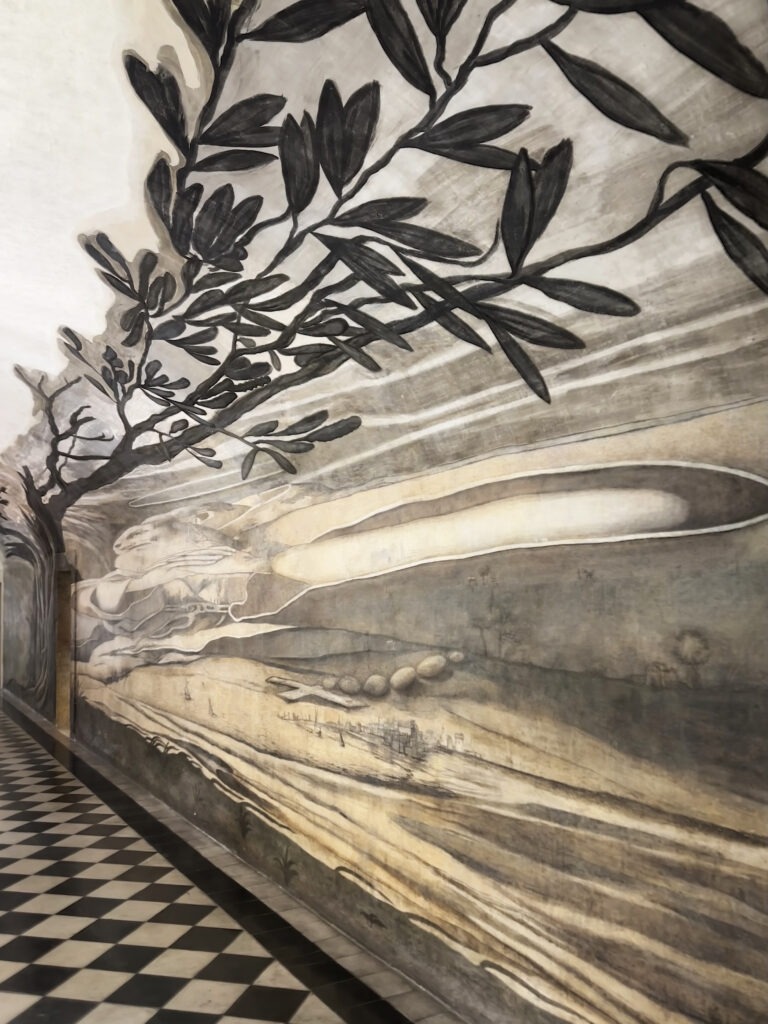
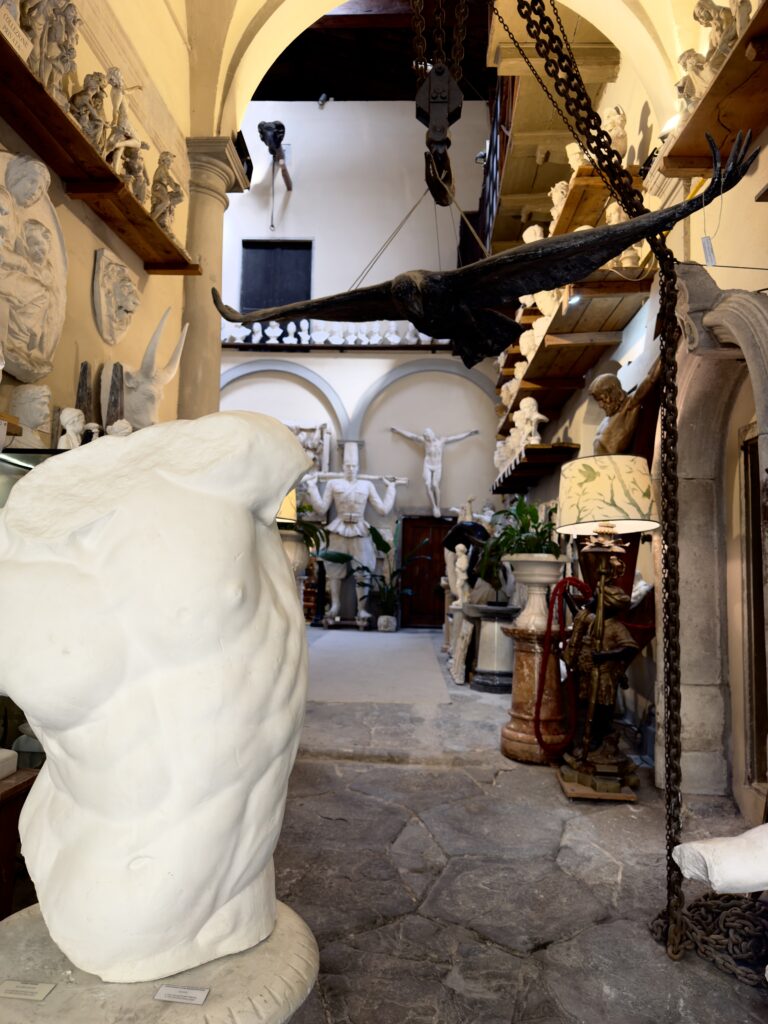
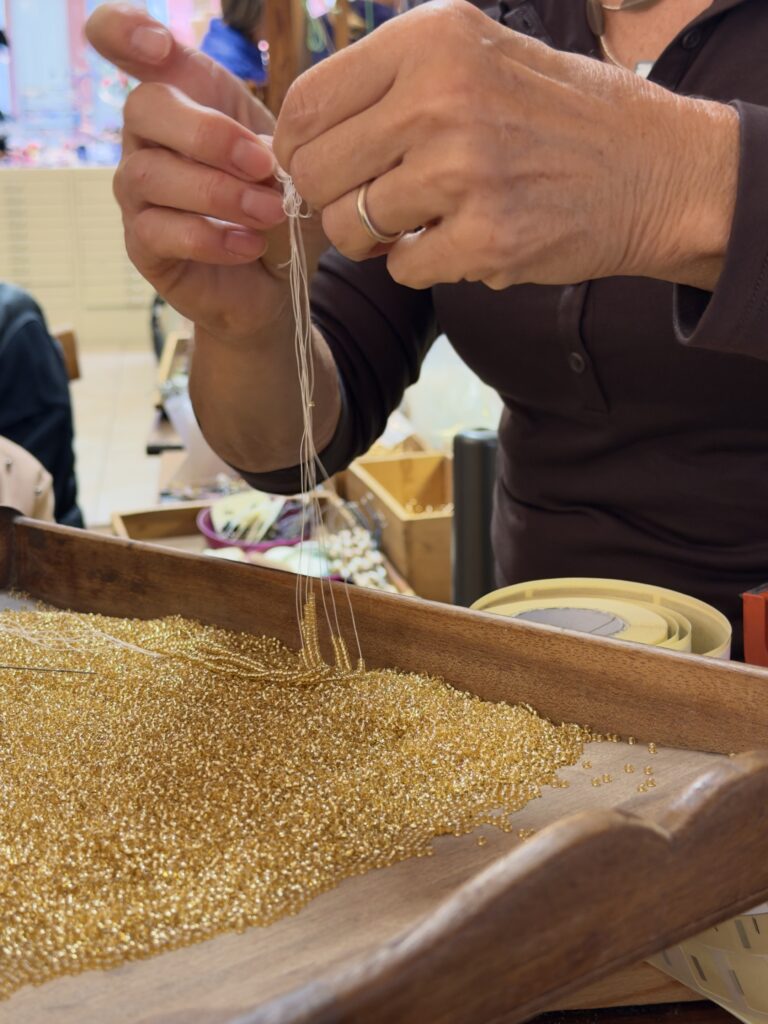
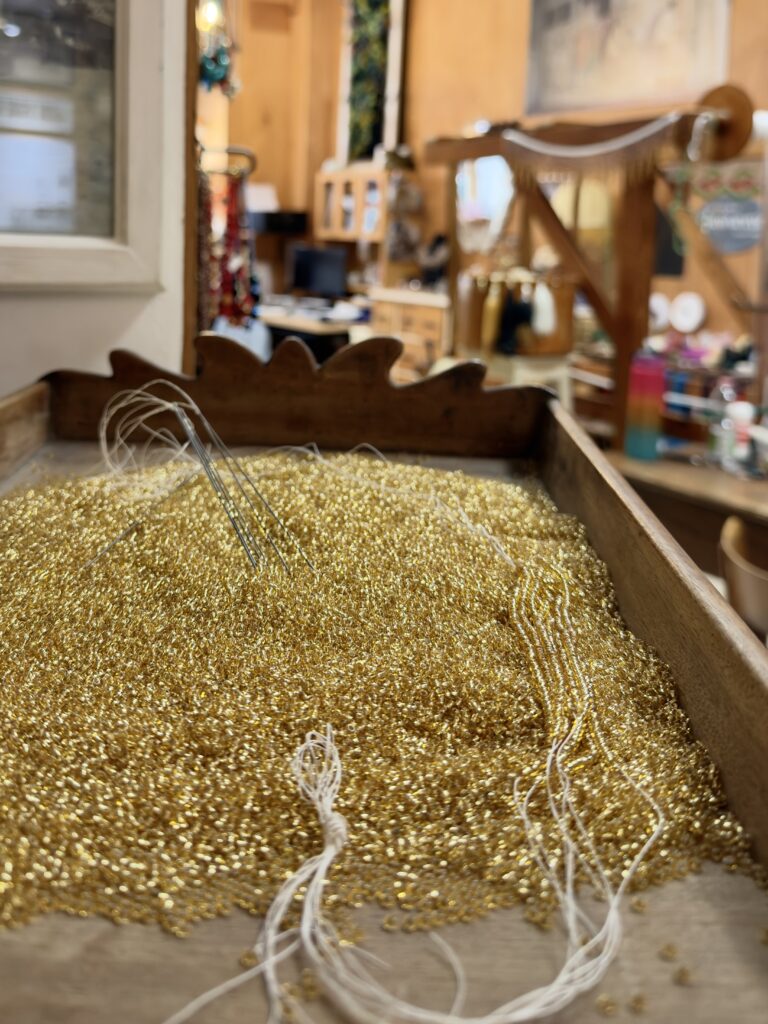
“In Venice, for La memoria nel vetro (Memory in glass), we met Luisa Conventi, who keeps the tradition of the impiraresse (Venice’s glass bead stringers) alive, and explored Luciano Vistosi through the testimony of Alessandra Vistosi. In Florence the starting point is what remains, and the value a fragment gains over time.”
Q. What did fashion teach you?
“That a project never comes from one element. It comes from research, materials, details, and many people talking to each other. A good idea is not enough. You have to turn it into something that really works.”
Q. You ask guests to put their phones away, yet your work grew on social media.
“When I ask guests to set the phone aside, I am not asking them to give up a memory. I am suggesting they build one that does not depend on an image.”
Q. One tip for seeing beneath the surface?
“Stop trying to see a whole city. Spend a morning on a single place. The real privilege of a journey is coming home knowing something you did not know before.”