

MANDURIA, Apulia — Counterfeit Italian foods are an 100 billion euro industry, according to Coldiretti, Italy’s largest farmers’ association, while the authentic culinary versions generate roughly half that. The gap between the two, Italy’s most senior food figures argued last week, is the greatest commercial opportunity the country has yet to seize.
“For every euro of genuine Italian product exported, two euros of imitations are sold,” said ICE Agency president Matteo Zoppas. “We now have the opportunity to tell the story of Italian cuisine’s values ever more widely and ever more effectively, and these are values that are becoming soft power.”
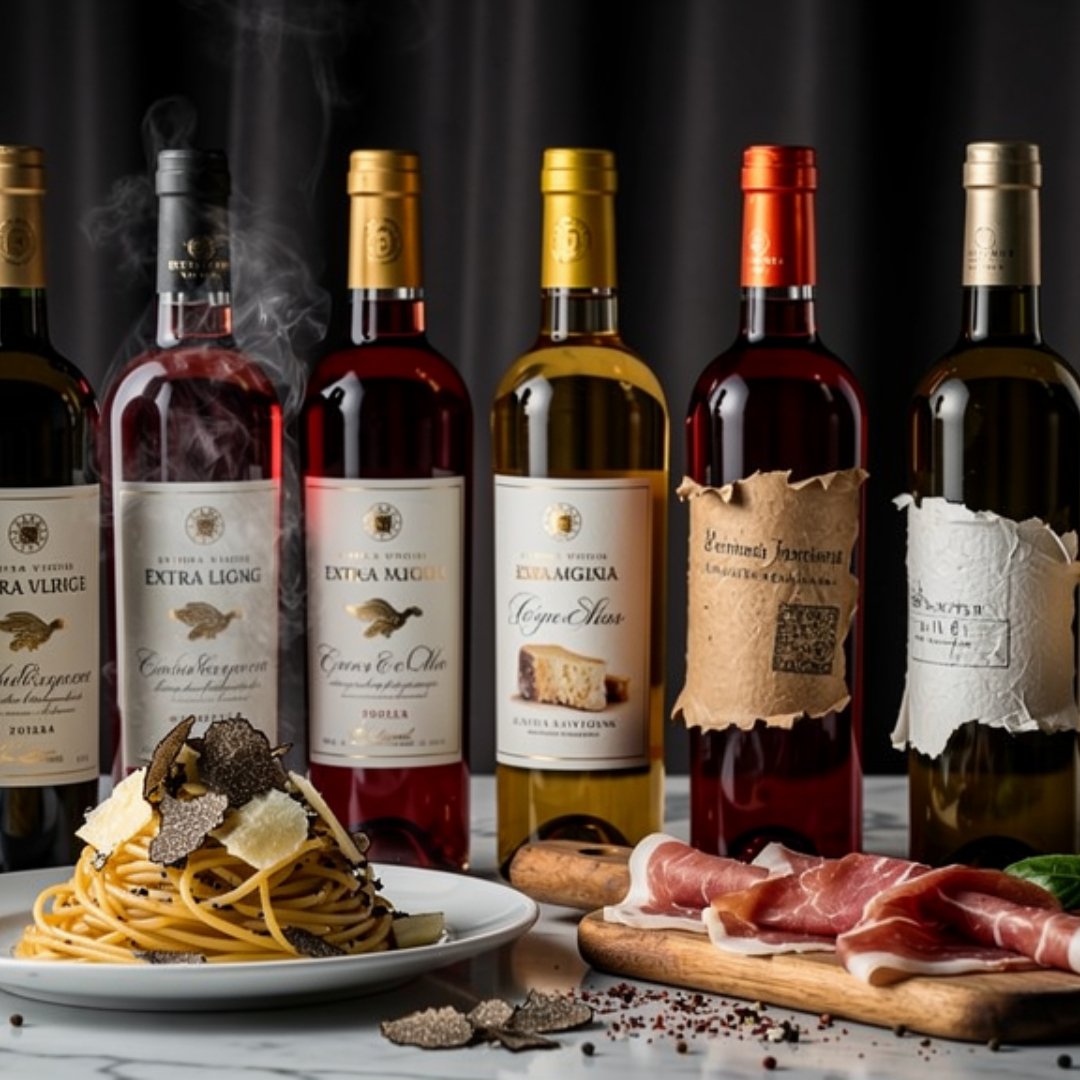
Coldiretti estimates the global market for fake Italian food at between 100 and 120 billion euro annually, speakers said at the Forum della Cucina Italiana in Manduria, Apulia, last week. More than two out of three products sold around the world as Italian food contain no Italian ingredient, with mozzarella, Parmigiano Reggiano, salumi, pasta, olive oil, and wine among the most commonly counterfeited. Agriculture Minister Francesco Lollobrigida argued that consumers need to understand why certified Italian products cost more: they respect environmental and labour standards that imitations routinely bypass, and the premium reflects genuine quality and traceability.
Massive Opportunity
The scale of untapped potential was laid out by Giordano Emo Capodilista, vice-president of Confagricoltura, citing a Deloitte study that puts the global value of Italian cuisine at 251 billion euro, with 300 billion within reach if recent growth rates hold. Italian cuisine generates around 80 billion euro in restaurant revenue in China, yet actual Italian food exports to that market stand at roughly 20 billion. In the United States the picture is identical. MEP Dario Nardella put a precise figure on what closing that gap could mean. “If used well, not just as a flag or a medal for politicians, Italian cuisine can allow Italian exports to grow by 10 percent over the next five years,” he said, pointing to new trade agreements with Mercosur, India, and Australia as key enablers.
Salvatore Amura, CEO of Valore Italia, was direct. “We need to invest in quality, in certifications, in the supply chain,” he told Italy Now. “The product must always tell the story of its link to the territory.” Nicola Fiasconaro, the Sicilian pastry maker who exports panettone to 70 countries from a workshop of 300 artisans in Castelbuono, Sicily, put it simply. “You can be flattered that people imitate you,” he said. “But you also need to protect what you have. And the conditions are there to do it.”
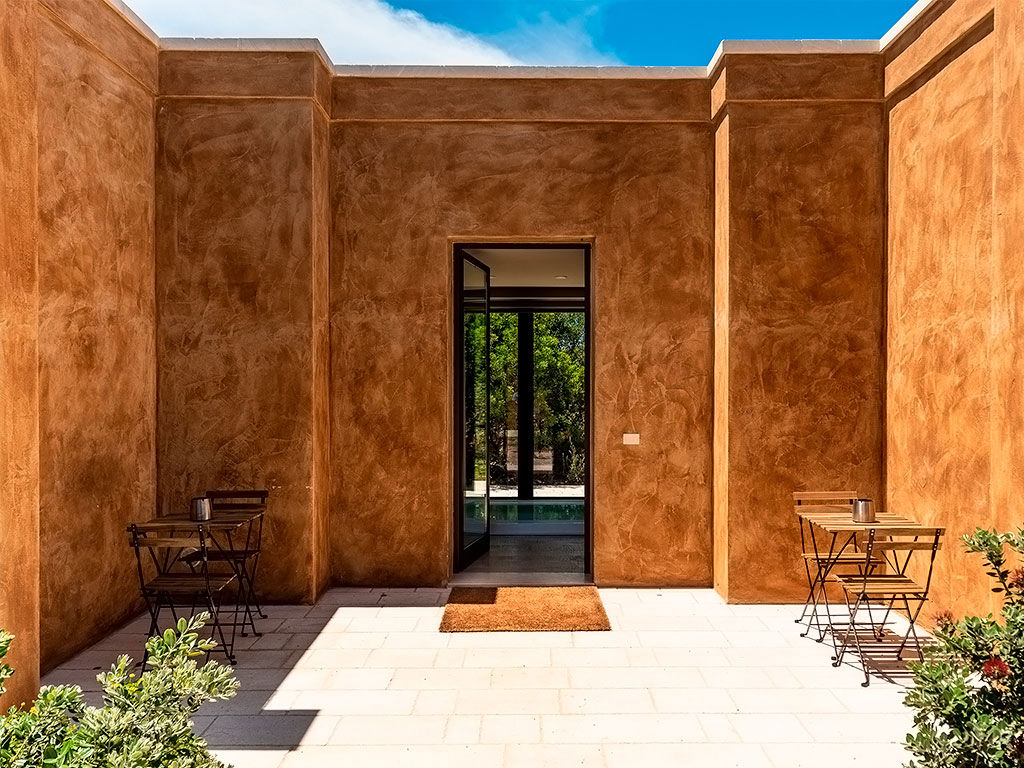
The Forum della Cucina Italiana, organised by Italian journalist, broadcaster, and author Bruno Vespa with ICE and communications agency Comin & Partners and held 29 and 30 March at Masseria Li Reni in Manduria, Apulia, brought together ministers, producers, and industry leaders for two days of debate on how to convert Italy’s newly awarded UNESCO culinary heritage status into measurable commercial gains.