
VENICE — A Venetian noble family and an Italian hotel group have launched a prize asking artists what Futurism, the early 20th century movement that worshipped machines, has to say about artificial intelligence. Entries for the Premio Futurismo are open until January 2027.
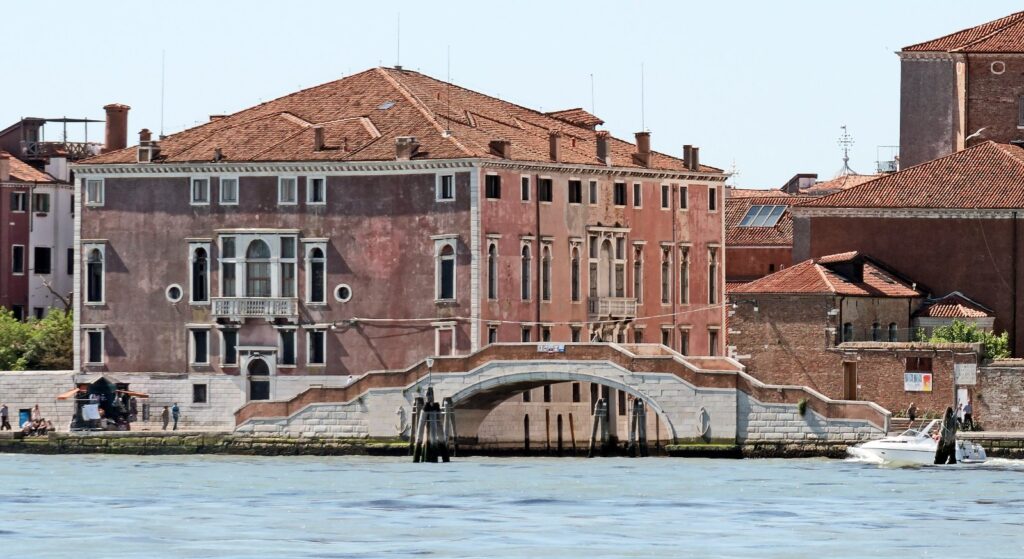
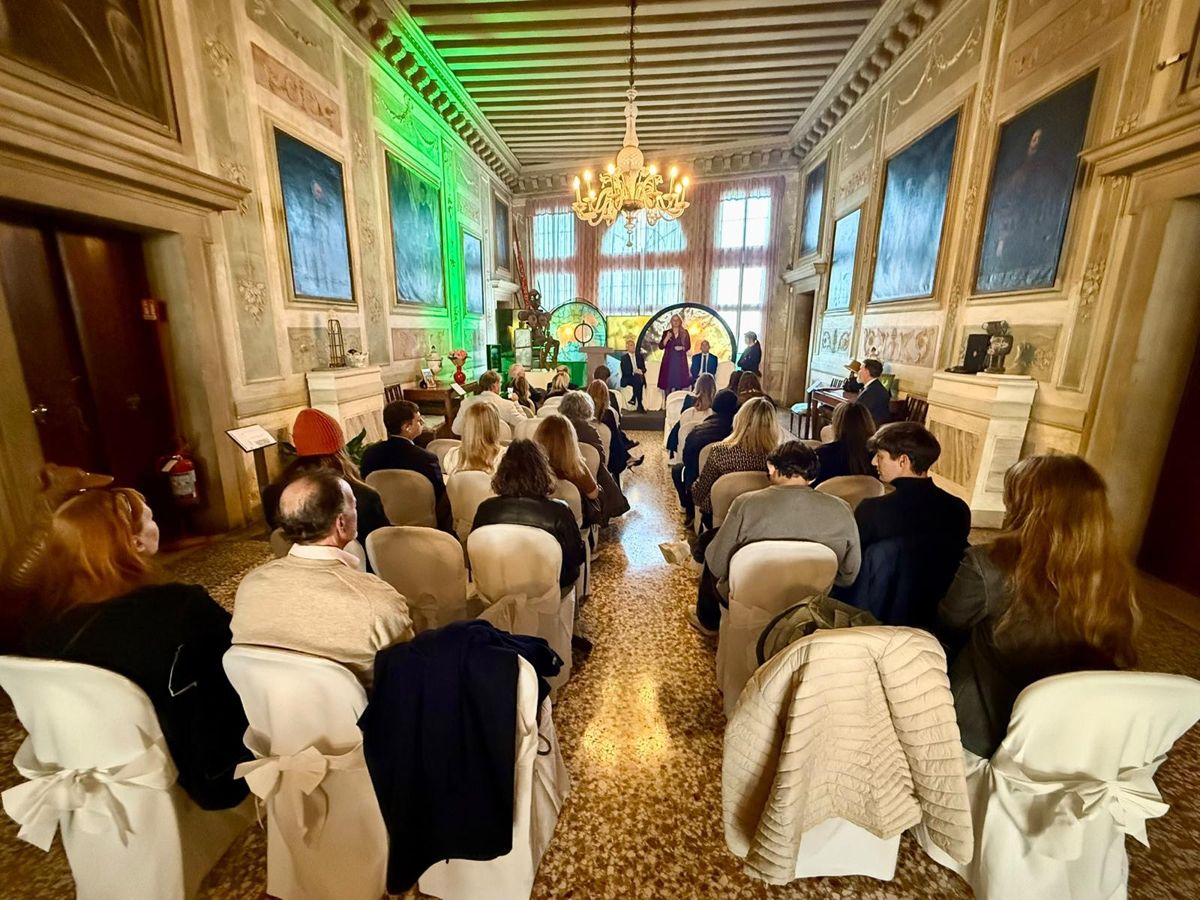
The Fondazione Donà dalle Rose and Duetorrihotels unveiled the prize on October 29, 2026, at Palazzo Donà dalle Rose, the family’s home in Venice. It is open to adults of any nationality working in performing arts, poetry, architecture, or music.
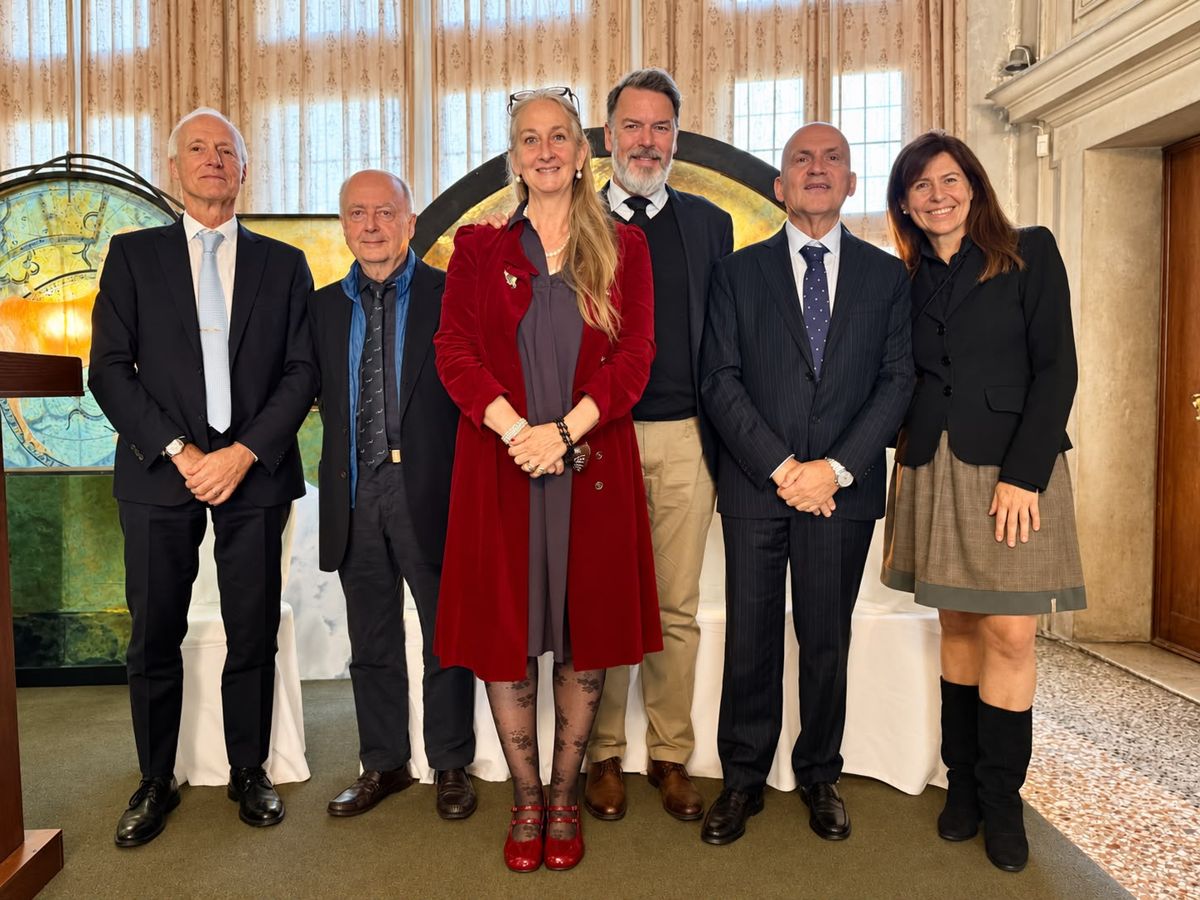
“The Donà dalle Rose prize builds a bridge between memory and innovation, taking up the spirit of Futurism in its drive for change and rupture, but in the name of continuity,” said Maria Laura Perilli, an art curator.
“The comparison holds better than the Futurists would like: they worshipped the machine, and AI is the first machine that makes art back,” said James Buckley-Thorp, founder and chief executive of Atlian. “A prize only means something if it judges the artist’s taste and direction, not the button-pressing.”
“A ban would be hard to enforce, because AI detectors are too unreliable to judge an artist by,” said Mykyta Chernenko, founder of AIWriteBook. “Credit should go to the choices a person can show they made.”
“Futurism had the courage to break the patterns of its time,” said Chiara Donà dalle Rose, the foundation’s president. “Faced with the transformations introduced by artificial intelligence, we feel the need to reopen that reflection.”
Two cities
Finalists will be named in February. In March they will show their work for a month at the Grand Hotel Majestic già Baglioni in Bologna. The winners then exhibit at the Venice palazzo from April 20 to 27, 2027, the organisers said.
In 1910 the Futurists threw leaflets from the clock tower in St Mark’s Square attacking Venice as a city stuck in the past. In March 1914, young painters including Giorgio Morandi held a one day show in the basement of the Bologna hotel, then called the Baglioni.
A two faced Pinocchio
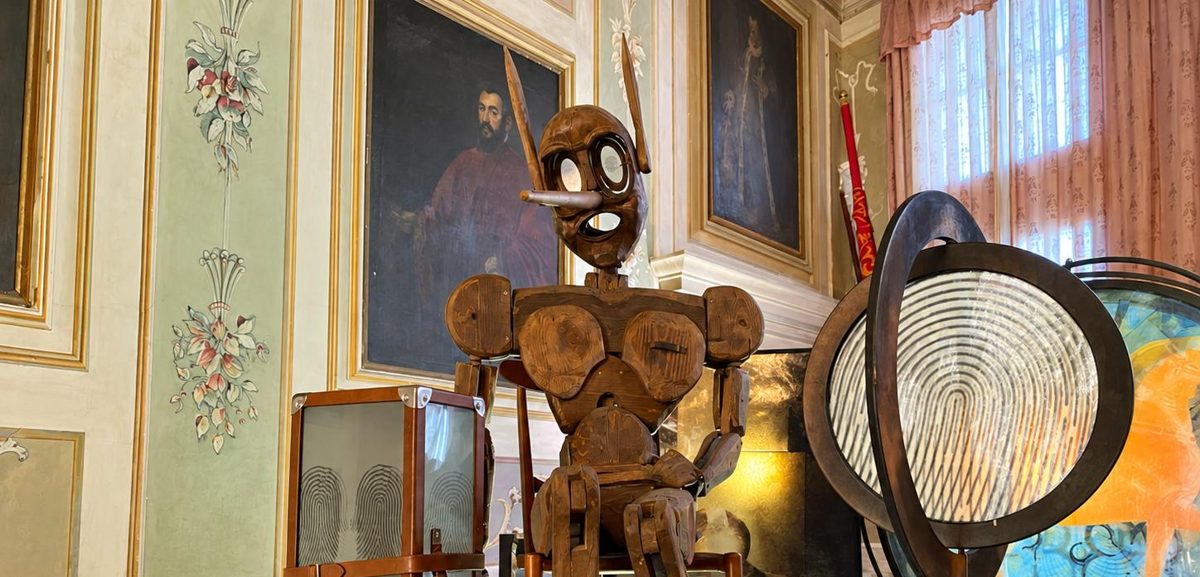
The prize’s symbol is a Pinocchio with two faces and two noses, made by Chiara Donà dalle Rose, who works as an artist under the name Rosa Mundi. The organisers say the doubled nose stands for how easily falsehoods now multiply online.
The Futurists once mocked Venice for looking backwards. A century later, a Venetian palazzo asks what they would make of today’s machines.