FLORENCE — Mark Rothko’s largest Italian retrospective opened at Fondazione Palazzo Strozzi on 14 March 2026, staging an unlikely dialogue between American abstraction and the Renaissance masters who shaped his vision.
The exhibition brings together more than 70 works from major international institutions, including the Museum of Modern Art and the Metropolitan Museum of Art in New York, Tate Modern, the Centre Pompidou, and the National Gallery of Art. Curated by Christopher Rothko and art historian Elena Geuna, the show traces the arc of Rothko’s career while anchoring it in the city that transformed his understanding of painting. A continuous documentary screens in a dedicated theatre at the end of the exhibition route.
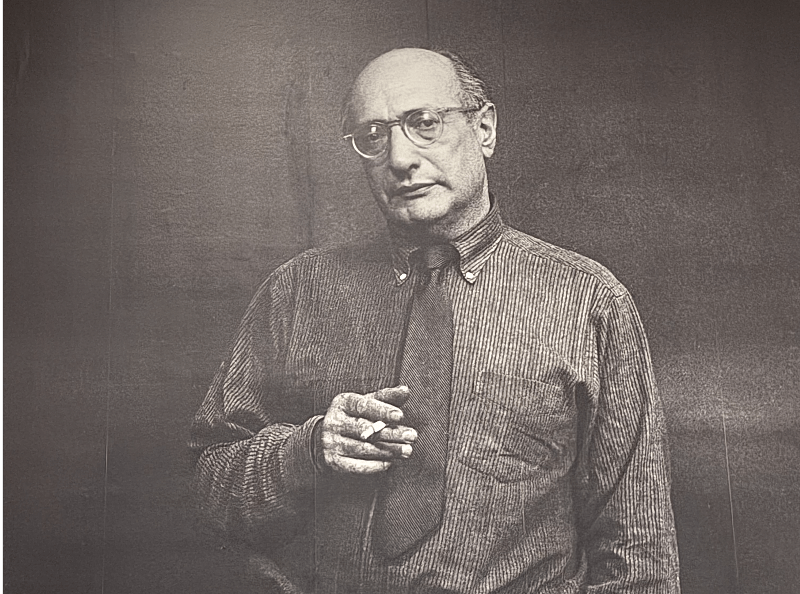
Rothko first visited Florence in 1950. His encounters with Michelangelo’s architecture and Fra Angelico’s frescoes led him to reconceive his canvases not as images, but as spaces for interior experience. That insight forms the conceptual foundation of the show.
The upper floor of Palazzo Strozzi hosts the main retrospective, where austere Renaissance halls and shifting natural light frame the works. Writing in I’m Firenze Digest, critics Rebecca Ceccatelli and Ana Karen García described the experience as “passing through different emotional climates shaped by colour, light, and silence.”
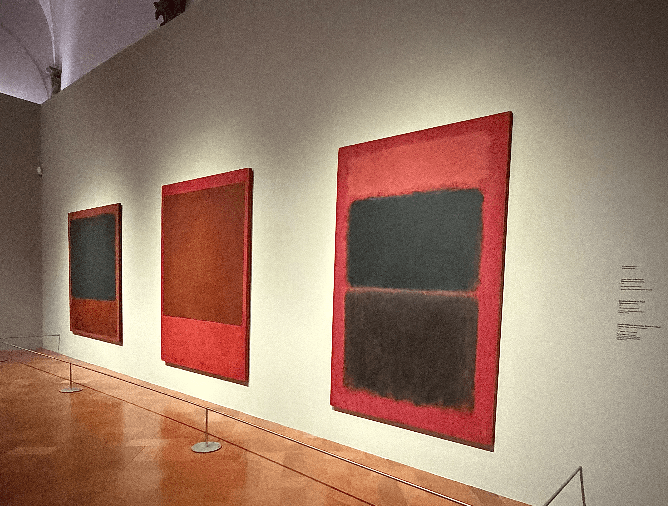
Monastic cells
The most striking element is the satellite installation at the Museo di San Marco, where five Rothko paintings sit inside the original monastic cells of a convent dating to the 1440s, in direct dialogue with Fra Angelico’s frescoes of Christ’s life. There is something profound about seeing these modern canvases occupying the same contemplative space where Dominican friars once lived and prayed.
Two further works hang in the vestibule of the Biblioteca Medicea Laurenziana, designed by Michelangelo. Rome-based art critic Peter Thomas Lang wrote that the pairing felt as though the two minds had been brought together across time. Rothko later recalled that its compressed walls and dense light influenced the scale and rhythm of his Seagram murals, works he ultimately withdrew from a New York restaurant, fearing they would become mere decoration. The show closes on August 23, 2026.