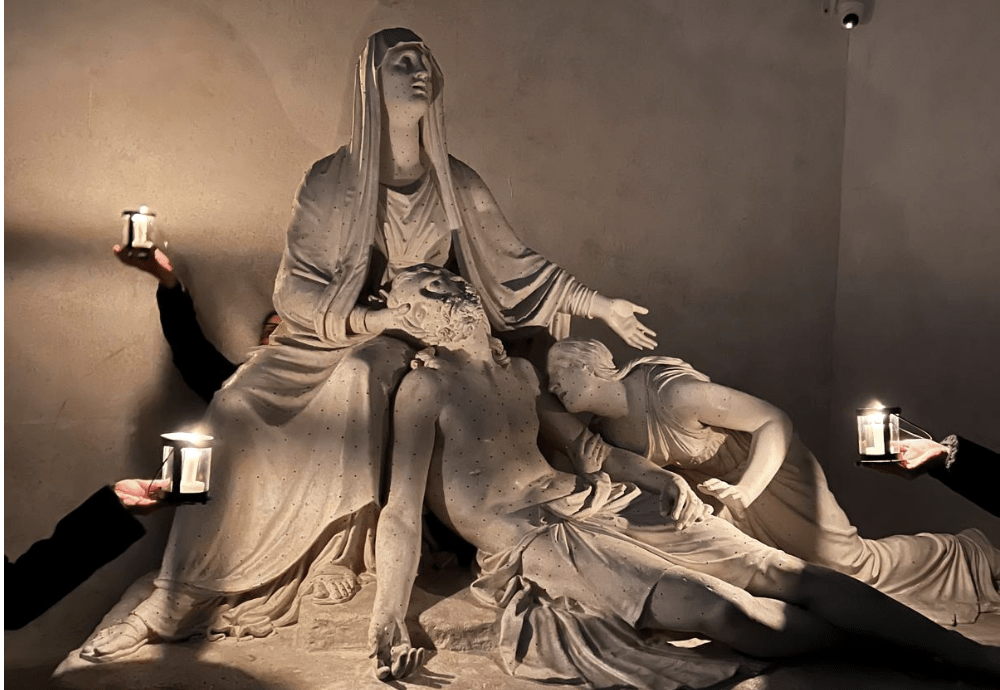
MASER, Veneto — This autumn, the Canova Museum in Possagno reopened its Gypsoteca – which houses Antonio Canova’s original plaster working models – after dark, with lanterns and regional aperitifs, for a limited series of evening visits. It is a small thing, but it signals something larger happening across the Veneto.
“The candlelight changes everything,” one visitor said after an early session. “You see the artist’s hand, not just the finished work. The glittering candlelight brings them to life.”
As the Veneto region formally positions its heritage sites as economic and community assets, two very different experiences in the Treviso hills show what that shift looks like in practice. Together, they make a case for a quieter, more thoughtful kind of travel.
The inn without an innkeeper
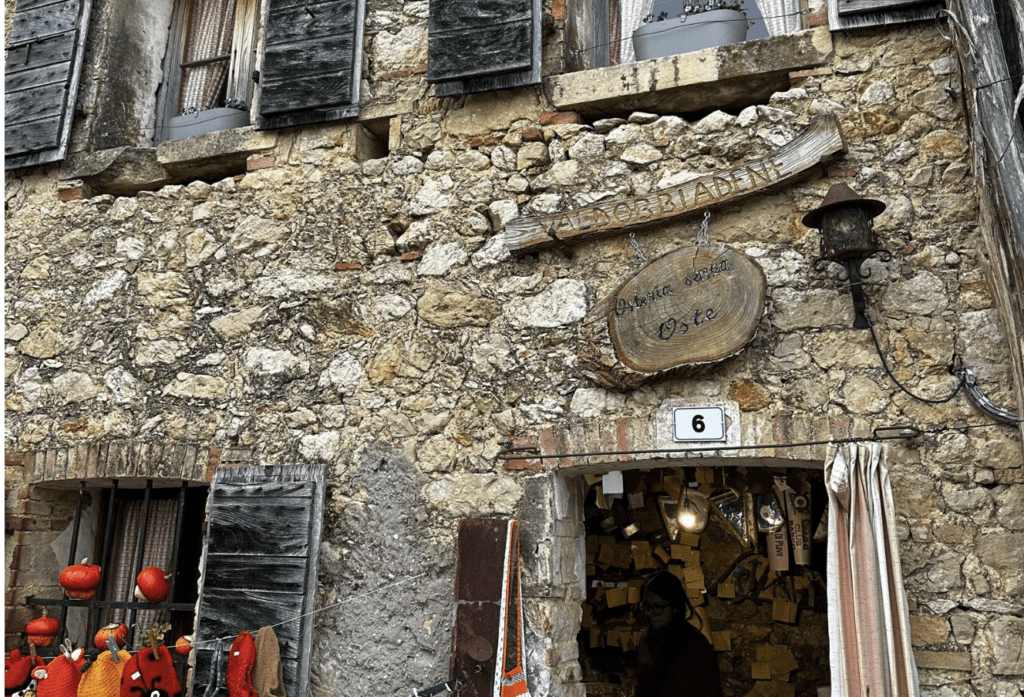
Twenty kilometres from Possagno, that argument has been quietly running itself since 2005. Osteria Senz’Oste, which translates as the inn without an innkeeper, sits on a terrace above the Valdobbiadene Prosecco hills and operates entirely on trust. Cesare De Stefani set out bread, local cheese, and bottles of wine for anyone passing through, with a cash box and no staff. The payment is voluntary. The system works.
“I come here, I leave the wine adn the food and people just come, soak up the view and chat with the locals, and just enjoy themselves,” he told Italy Now. “That’s what life is all about, really. Oh, and the prosecco of course is very good.”
It works in part because of what locals call campanilismo, a fierce attachment to one’s home community, which in the Prosecco hills translates into a social contract between host and guest that requires no contract at all. The view across the vineyards does the rest.
A Palladian manifesto
Villa Barbaro in Maser, also in Treviso province, represents the aristocratic version of the same instinct. Commissioned in the 1550s by the Barbaro brothers, humanist scholars who collaborated with the architect Andrea Palladio, the villa is less a country house than a manifesto. Paolo Veronese’s frescoes dissolve the interior walls into painted landscapes, turning each room into theatre.
What connects Senz’Oste, Villa Barbaro, and the Canova evening programme is not aesthetics but attitude. Each offers something that cannot be replicated by a travel platform or a tour operator. Each asks something of the visitor in return, or attention, presence, a willingness to slow down. The Veneto is betting that this is exactly what a new generation of travellers is looking for.