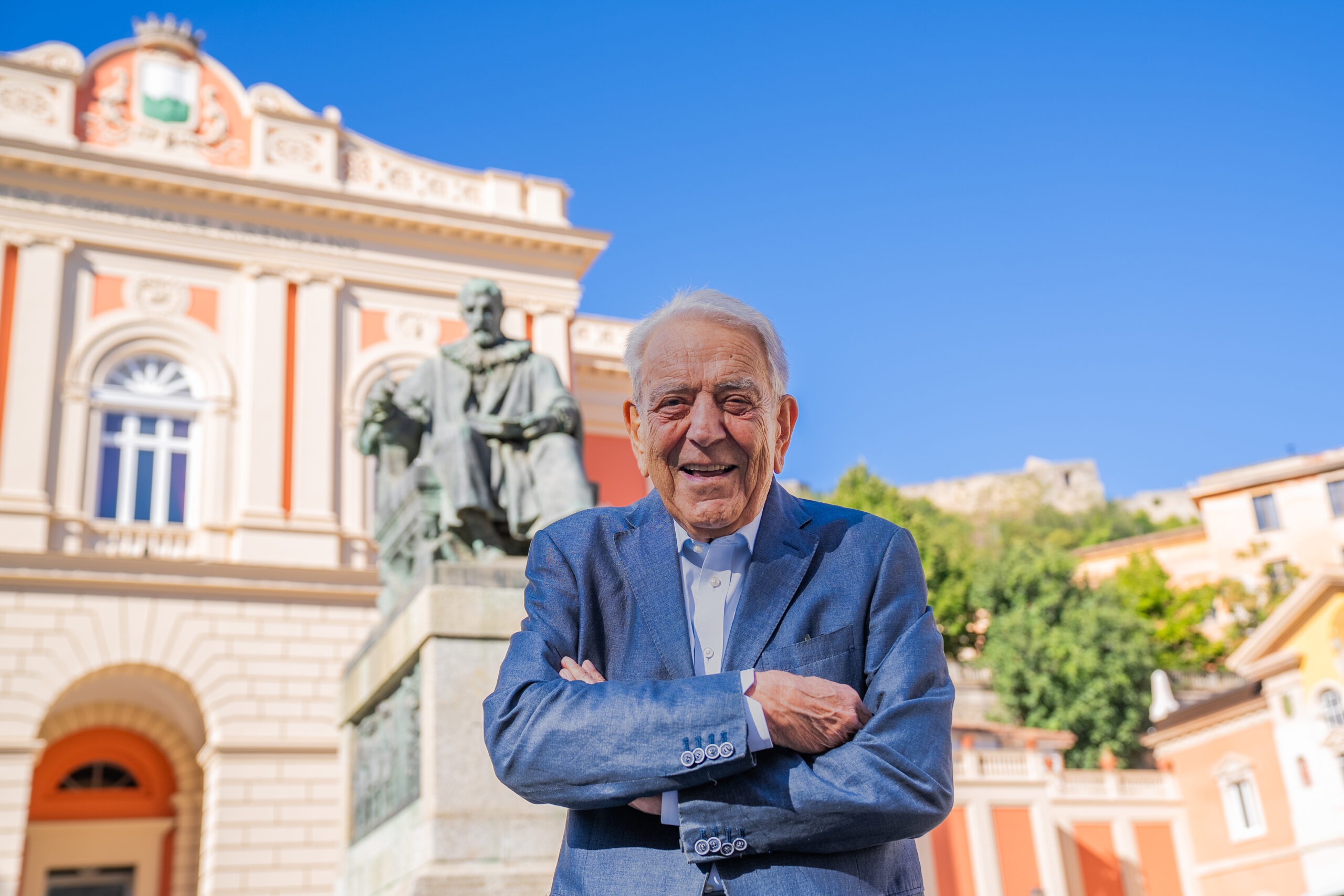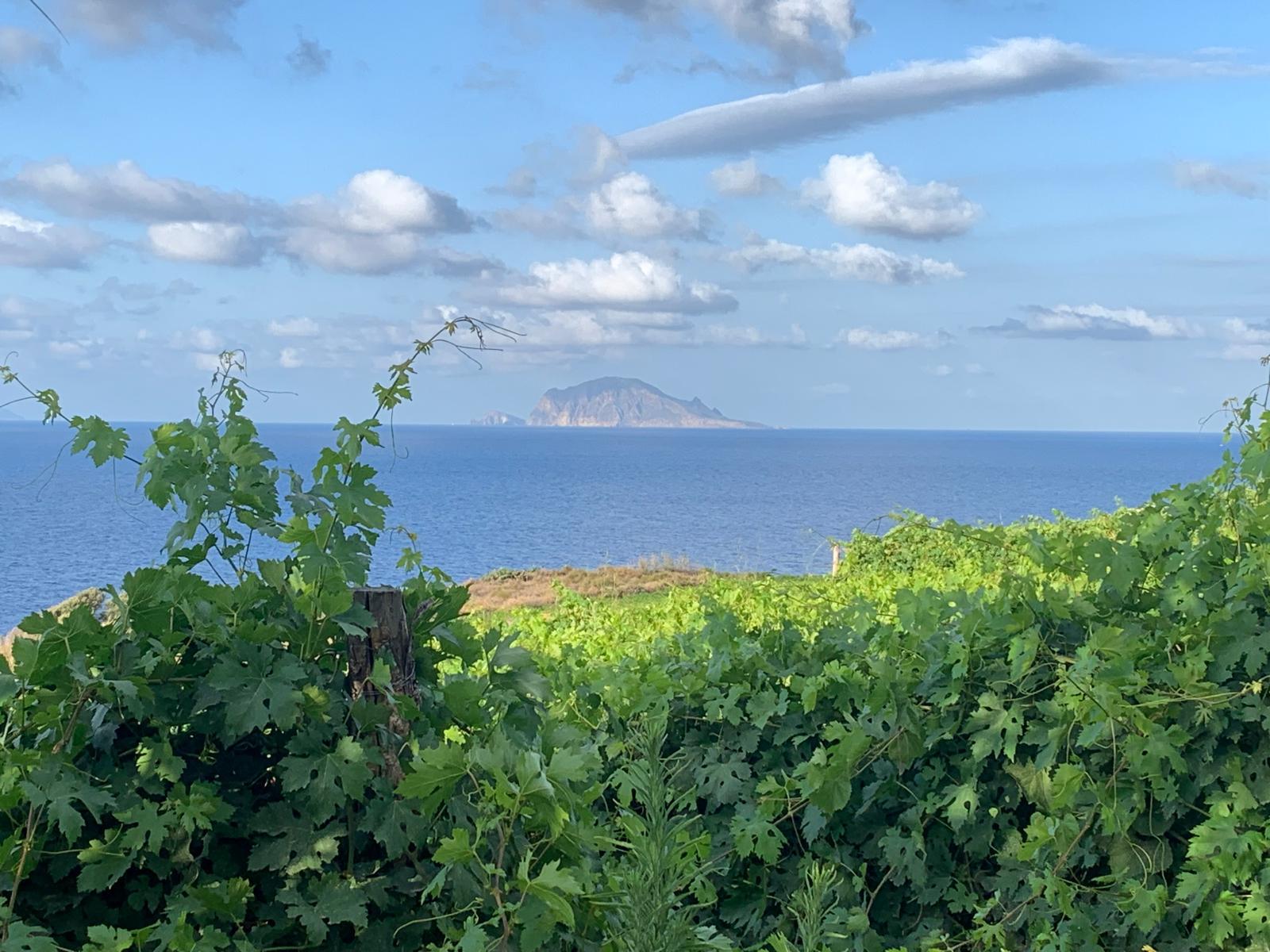

SALINA — Antonino Caravaglio has bottled another vintage of Malvasia di Lipari. His cellar at Malfa produces 40,000 bottles a year across four islands, triple the volume he made when he took over 35 years ago. His 2026 harvest is now approaching on Salina, the largest of the seven islands and five islets that make up the Aeolian archipelago, inscribed by Unesco as a World Heritage site in 2000 for its volcanic significance.
“On Salina alone we work around 10 hectares of Malvasia spread across 20 different plots, from sea level up to 400 metres,” Caravaglio told Italy Now.
His most distinctive vineyard sits inside a volcanic crater. The Fossa del Monte on Lipari, a 350-metre depression flanked by Monte Guardia and Monte Gallina, holds just over a hectare of vines. Temperatures there can drop to zero in April. Mist fills the basin.
“Wines born on volcanic soil are vertical in the mouth,” he told Italy Now. “They keep this tension, this minerality, this salinity.”

Volcanic shield
The archipelago gave volcanology two of its core terms, Strombolian and Vulcanian, named after eruption styles still observed today on Stromboli and Vulcano, both still actively volcanic. The ash and pumice in the soil also stopped phylloxera, the louse that devastated European vineyards in the late nineteenth century, from spreading. Galleries the insect digs collapse in volcanic ash.
That gave the Fossa del Monte something rare. Pre-phylloxera vines still grow there. Caravaglio restored an old parcel in 2017 and brought it back into production in 2019, now bottling 1,500 of Corinto Nero each year from those vines, a seedless red grape brought to Salina by Venetian settlers in the 1600s.
“Silky,” he said of the wine. “The tannins come from the skin, not from seeds.”
Return ratio
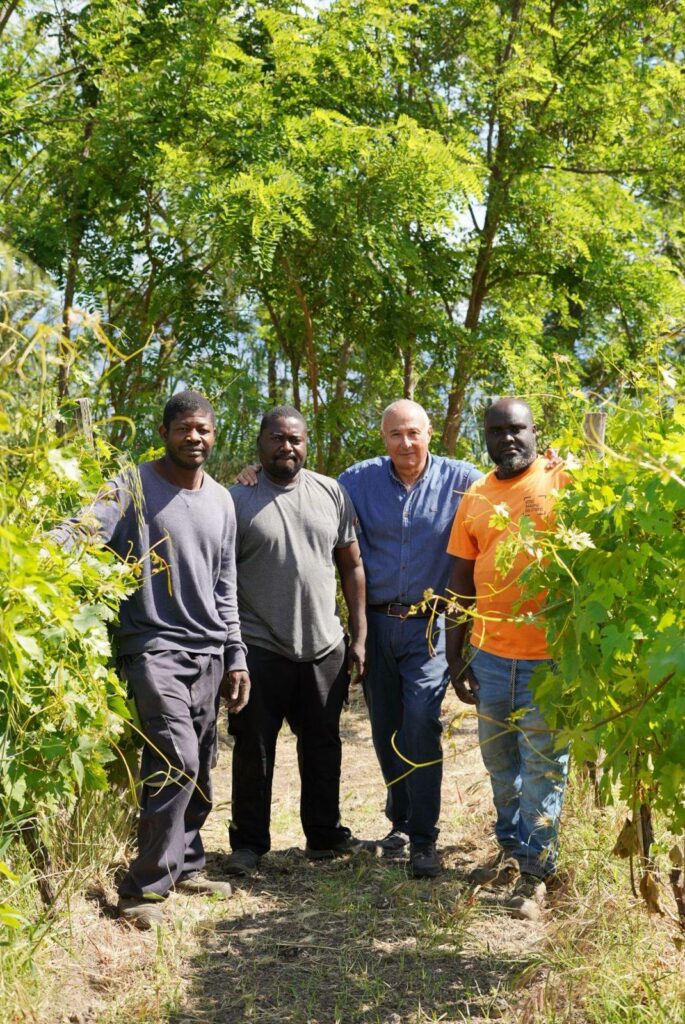
In 1891 the Aeolians counted more than 20,000 residents. Phylloxera and the collapse of the Malvasia trade pushed almost half away to Australia, the United States and South America. Caravaglio’s own grandmother was born in Boston in 1898. With falling resident rates, Caravaglio has turned to local immigrant workforces for lifeblood, and is training many new arrivals on the wine-making business.

In 2024 he made two cuvées with Château Palmer, the Bordeaux estate, from Salina Malvasia grown at different altitudes. Around 60 percent of his bottles stay in Italy, a reversal of the ratio he had in the 1980s. More than 30 percent of his cellar visitors are women between 30 and 40.
“They are looking for the wine that is the best expression of the place they are standing in,” Caravaglio said.