ROME — Italy’s beloved carbonara takes centre stage on April 6 as Carbonara Day celebrates its 10th anniversary, highlighting the dish’s journey from a Roman staple to a global culinary icon. Originally conceived as a social media celebration, the annual event has grown into one of the most widely shared food occasions online, drawing participation from millions of people worldwide.
According to research conducted in March 2026 on a sample of 1,004 Italians aged between 18 and 65, nearly one in two Italians (46.1%) consider carbonara their favourite pasta dish. The same survey found that 48.6% rate it as the most delicious, ahead of other traditional recipes such as ragù (39.1%) and amatriciana (25.9%).
“The Carbonara Day has become one of the most anticipated and widely shared events, both online and beyond,” said Margherita Mastromauro, president of the Italian food union representing pasta producers. “Today this recipe is no longer just a tourist offering of Roman trattorias but has an increasingly international reach.”
A symbol of tradition and debate
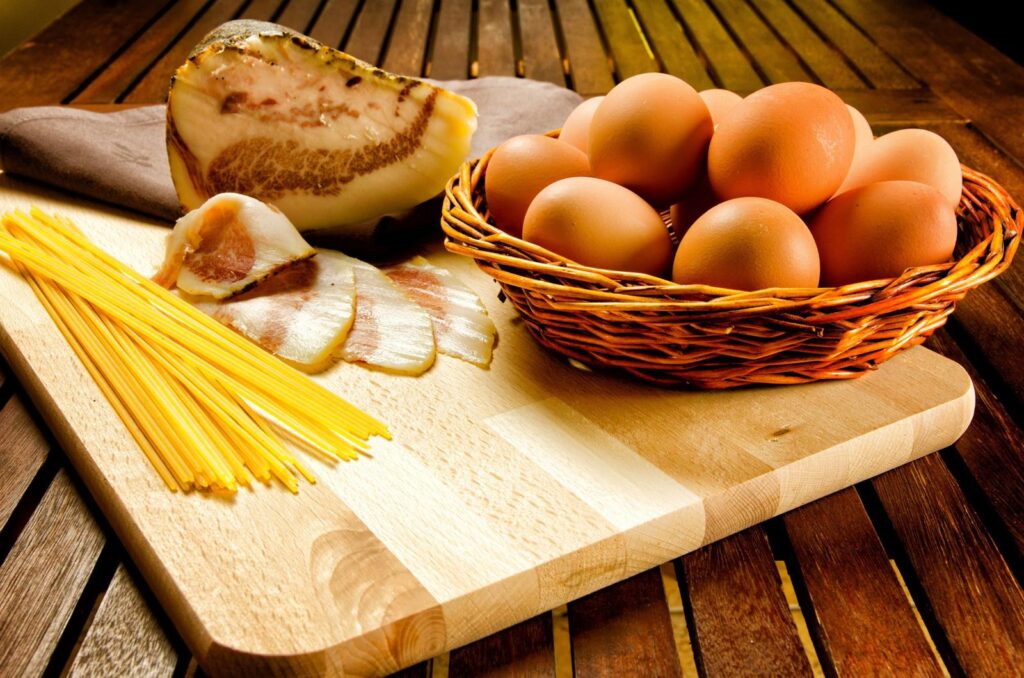
Despite its global success, carbonara remains at the centre of a long-running debate between purists and those who experiment with new interpretations. The traditional recipe—made with pasta, eggs, guanciale and pecorino cheese – continues to be fiercely protected in Italy.
The survey highlights that 63.9% of Italians attribute the dish’s popularity primarily to its rich flavour, while others point to its roots in culinary tradition (27.2%) and its simplicity and speed of preparation (18.9%).
For many, carbonara is more than just a meal. Around 36.3% of those surveyed associate it with social gatherings among friends, while 30.4% link it to family and tradition. It is also seen as a comfort food or a weekend indulgence by roughly a quarter of respondents.
However, deviations from the classic recipe remain controversial. The addition of cream is considered the most serious mistake by 34.9% of Italians, followed by overcooking the eggs (33.7%) and the use of garlic or onion (31%). Adding pepper is also part of ther debate.
“Each person has their own version, and the perfect carbonara is a challenge that excites millions of food lovers and chefs worldwide,” Mastromauro added.
As the dish continues to appear on menus around the world, its enduring appeal lies in its balance of simplicity, tradition and adaptability—ensuring that, even after a decade of celebration, carbonara remains firmly at the heart of Italy’s culinary identity.