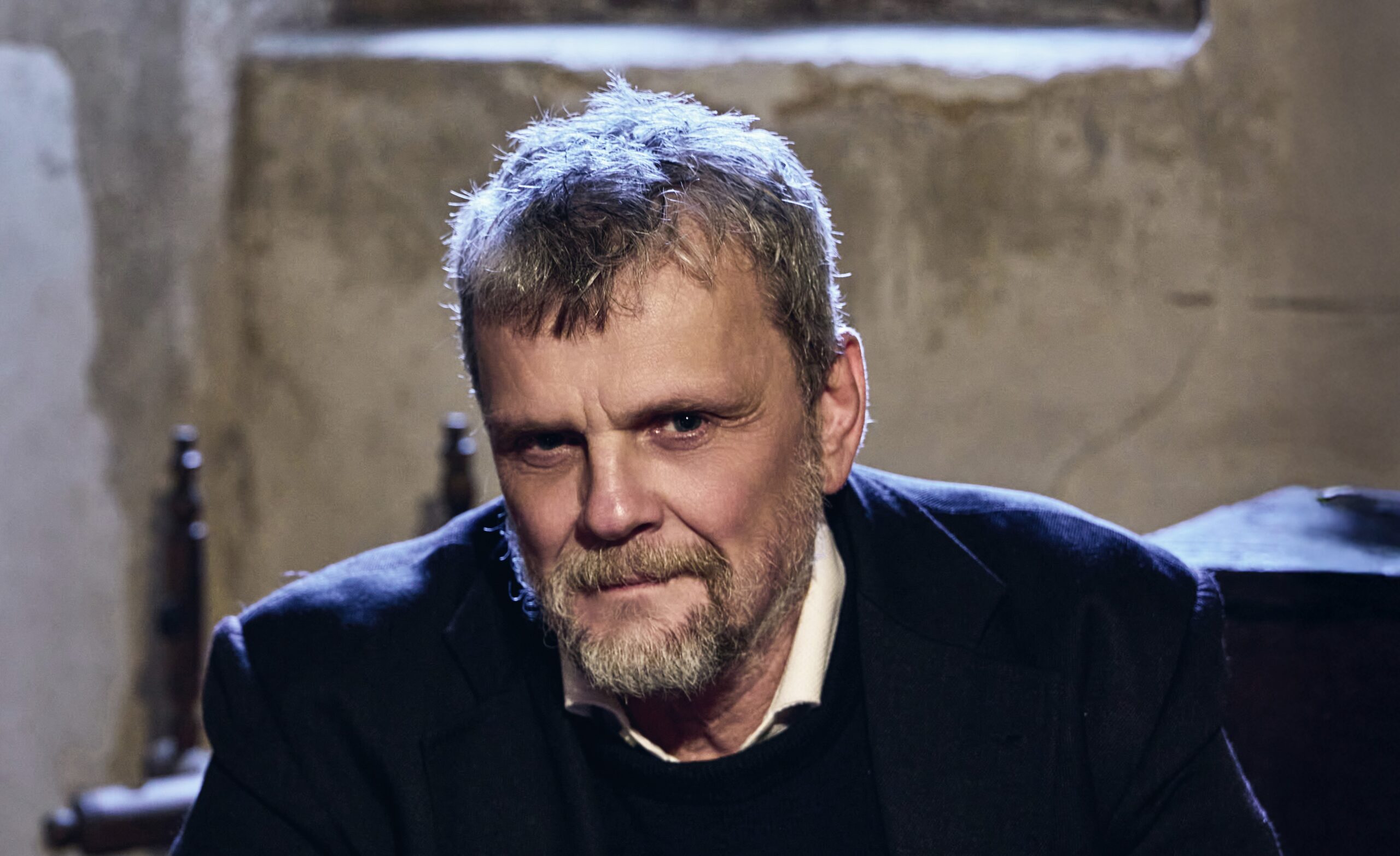

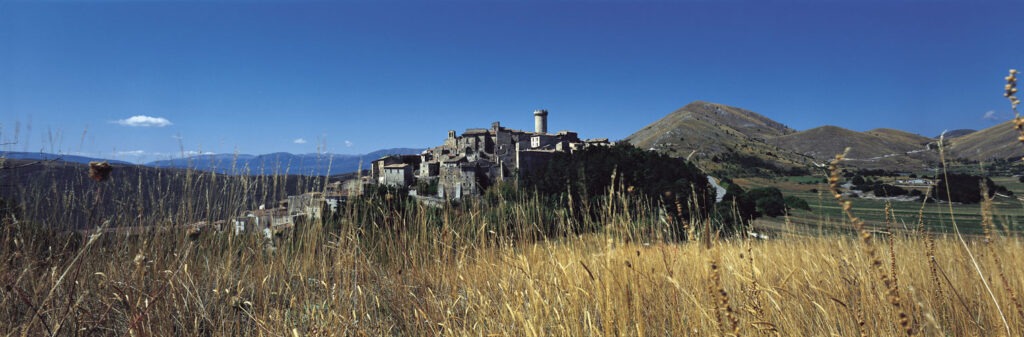
SANTO STEFANO DI SESSANIO, Abruzzo — Snow blankets the medieval stone village this April morning as we sit down to breakfast with Daniele Kihlgren, the Swedish-Italian philosophy graduate who rescued this hilltop borgo from oblivion and pioneered Italy’s original albergo diffuso (scattered hotel). He told us he arrived here by chance in the late 1990s, jobless and reeling from personal tragedy, and recognised in the crumbling houses a “poor historical heritage” that snobbish Italian culture had never bothered to protect. Two decades on, his Sextantio model has reshaped how Italy thinks about its abandoned villages, extended to the cave dwellings of Matera in Basilicata, and reached a small island on Rwanda’s Lake Kivu, where the same philological approach now funds healthcare for the poor. Authenticity, he believes, is not nostalgia. It is a political agenda.
Q. How did you venture into this project?
A. “I was jobless, hopeless, after some personal tragedy. I came here one day by chance. I was graduating in philosophy and I was looking for this kind of place. This poor historical heritage, that the snobbish Italian culture has never considered heritage, should be together with the landscape around. We try our best to go in this way.”
Q. What inspires you to continue?
A. “To continue this clash of civilisation between the Anglo-Saxon and the Italian cultures. The English and the Germans were the ones who appreciated this country as a Grand Tour destination. The thing is, from first grade you are taught about the Roman Empire, and this poor historical heritage has never been considered heritage at all. Our goal is that, not just here but from here to Calabria, in the central south of Italy, the preservation of this intimate and seducing relationship between history and landscape becomes a political agenda.”
Q. The renovation work in your rooms is unusually meticulous. What is the method?
A. “I wouldn’t be so lyrical to describe the place. The idea is identity. We did many interviews with the Museo delle Genti d’Abruzzo about local culture, the food, the domestic art and tradition. There were pictures and paintings of the interiors of this kind of place. It is an obsessive, philological approach to preserve something that usually is not preserved at all.”
Q. Tourism can damage the very places it celebrates. How do you handle that tension?
A. “This is one of our hardest battles. Tourism can be very damaging to a historical place. We try, with this philological method, to protect something fragile. Then we went to another place that was a stereotype of this kind of poor but historical heritage, at least in Italy. It was Matera, where people were living in caves and dying of malaria, and then it became abandoned. We tried our second project over there.”
Q. And the third project, in Rwanda?
A. “The third one is in Rwanda, in Africa, close to Congo, on a small island in Lake Kivu. That is a non-profit project for health insurance for poor people, with incredible clinical results. The idea is still the same. We find the traditional hut and the few people who are still able to reconstruct such dwellings. That is it.”