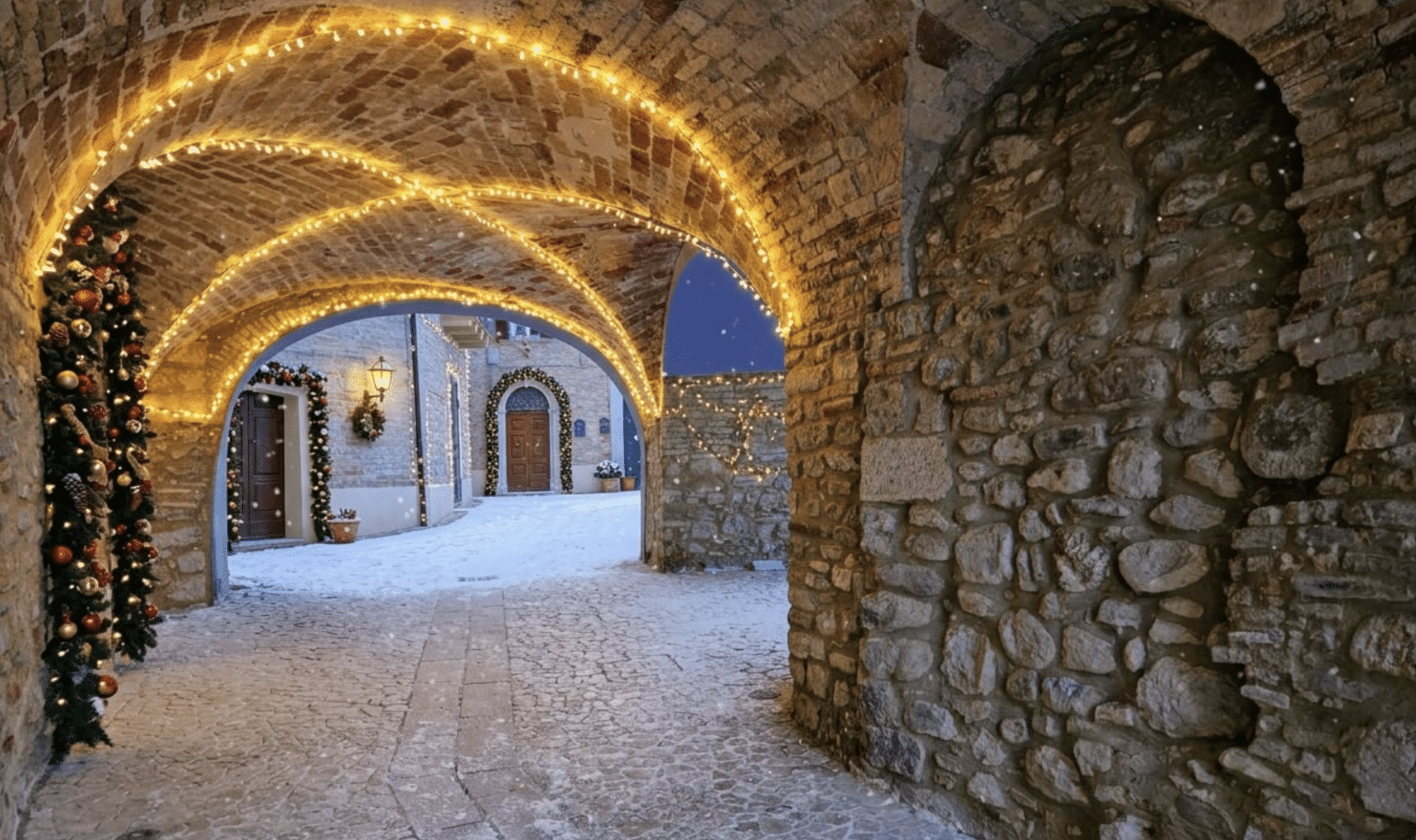
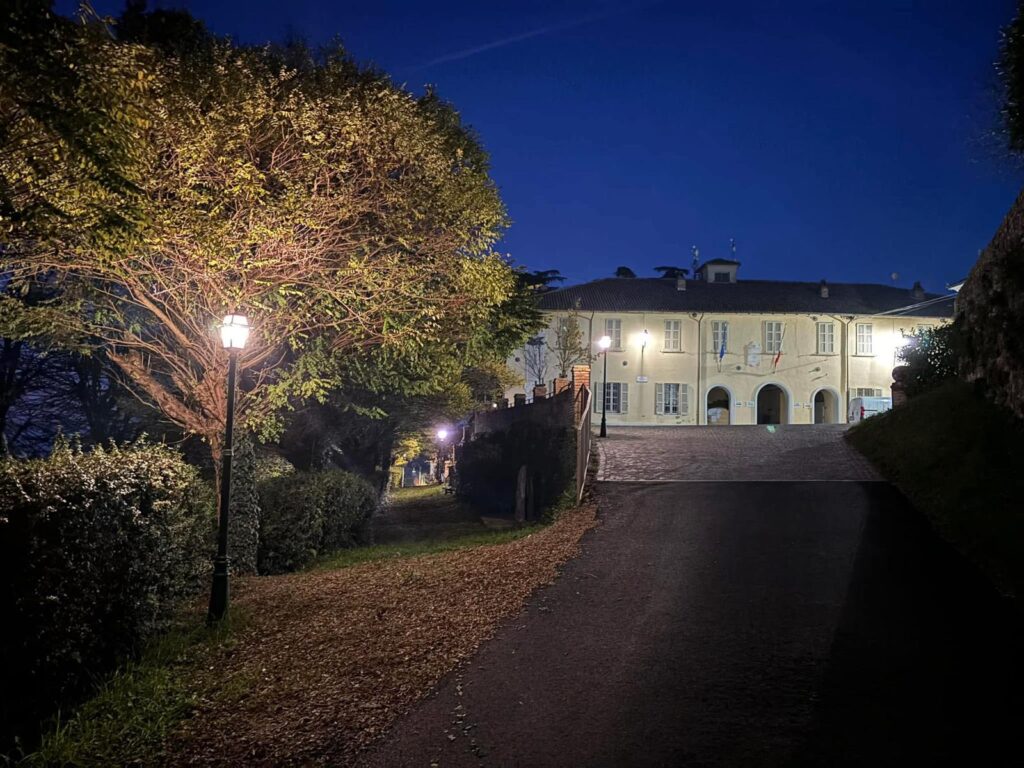
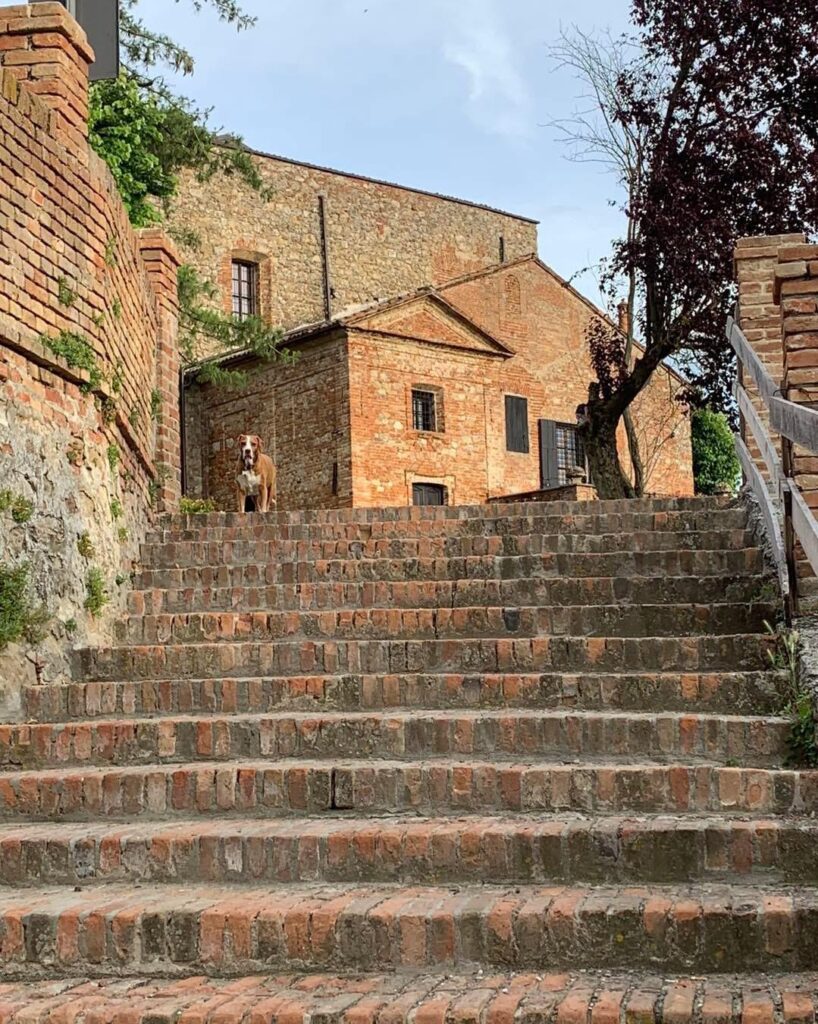
PIETRA DE’ GIORGI, Lombardy — Mayor Gianmaria Testori has two shuttered houses in the old centre of this Oltrepò Pavese village, handed to the council by families who left long ago. They are now a pilot scheme, and the call for firms to restore them closes at the end of July.
He runs a comune (municipality) of 11 square kilometres and more than 30 hamlets. Asmel, the local authority association behind Italink, picked Pietra de’ Giorgi as the first pilot for the Casa e Bottega scheme (house and workshop).
Q. Why not simply sell the houses for one euro, as other villages have done?
“It doesn’t work, and when it does work they are second homes. We did not need second homes. We need somebody who actually comes to live here.”
Q. What problem are the abandoned houses solving?
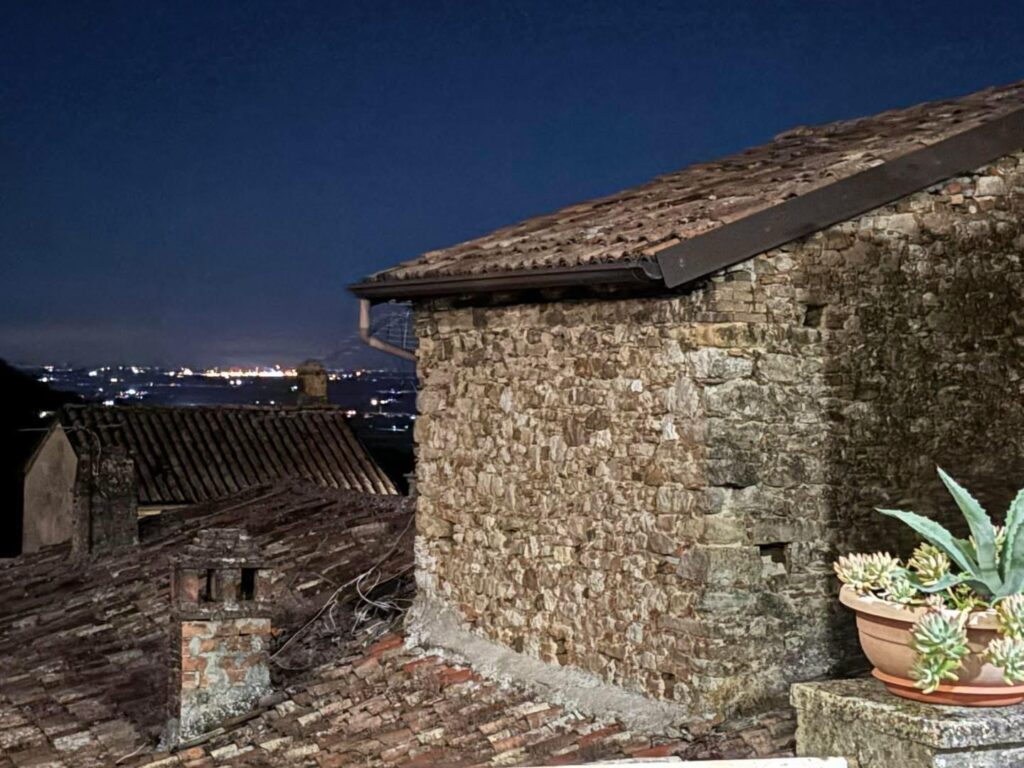
“We had a double problem, the urban decay and the depopulation. An abandoned house looks like rubbish, something that is no longer worth anything. It can become the vehicle for repopulation.”
Q. What are you asking companies to do?
“We are looking for partners who can help us renovate these houses and then let them at a capped rent, so that new families arrive. It is a public private partnership. These could become small workshops or shops.”
Q. What did you build before the houses?
“Over the years we reactivated the primary school, which no longer existed, then the nursery and the crèche. A whole series of services, to give people a reason to come and live here.”
Q. What work is there in the village itself?
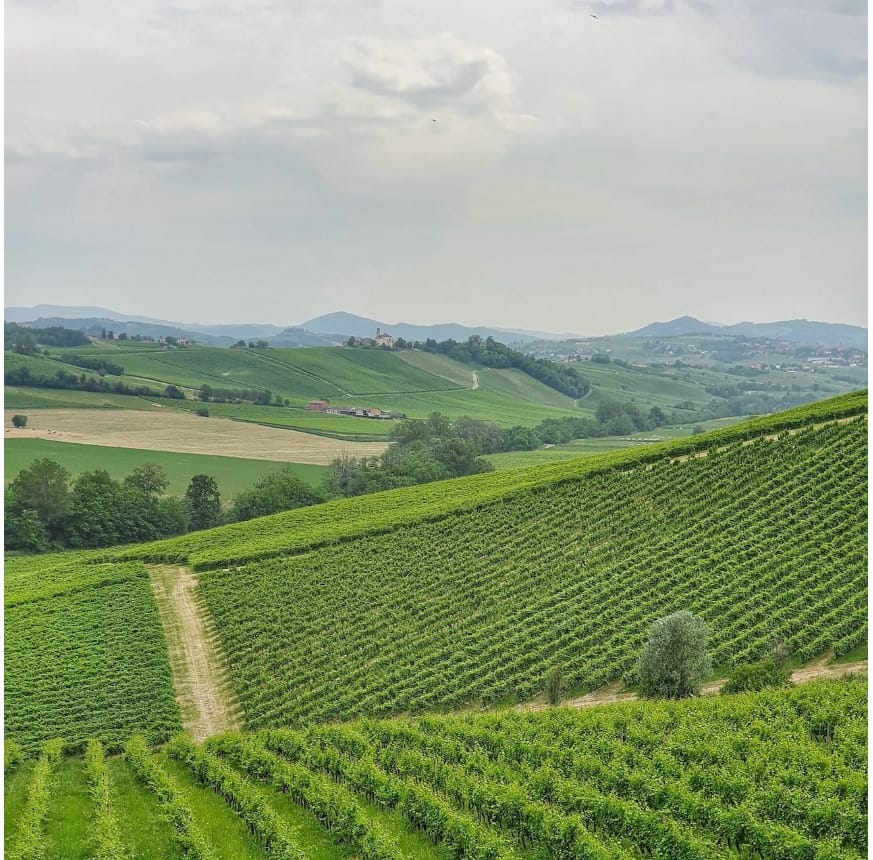
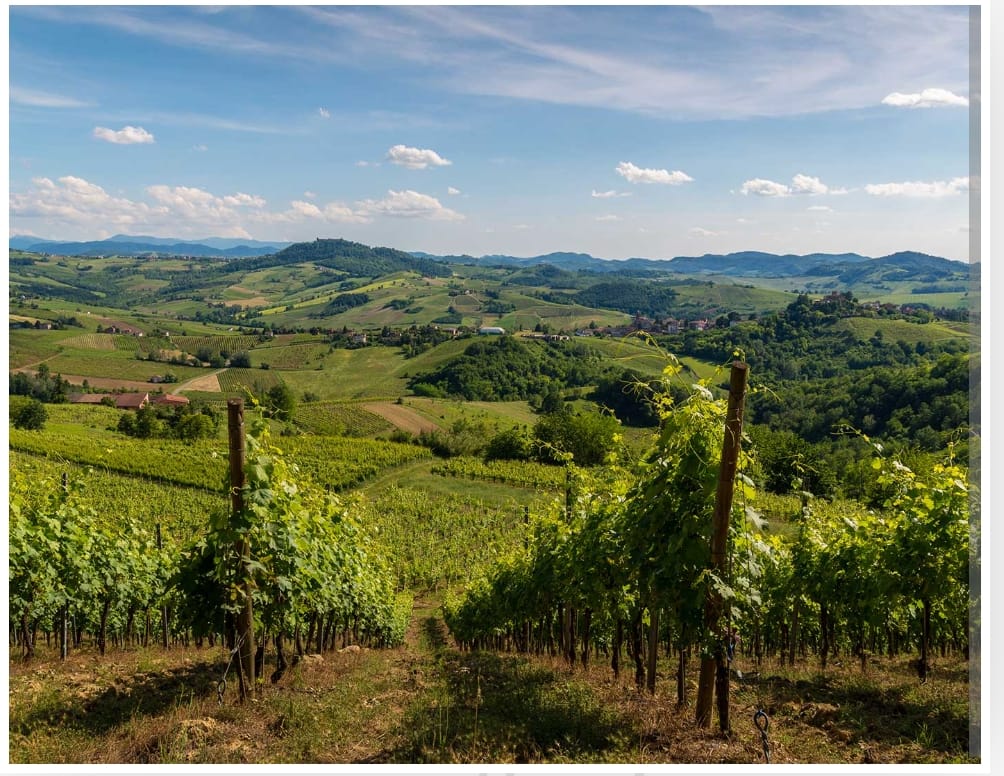
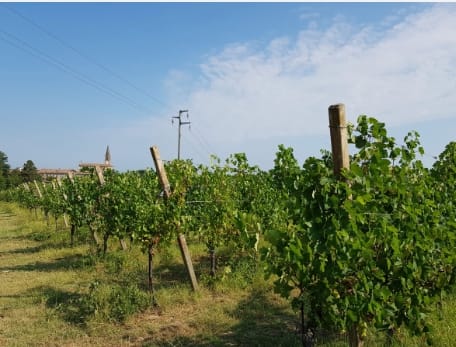
“Here it is entirely agricultural. We produce grapes and wine, so the demand comes from the farms and the cellars. Seven or eight kilometres away, at Broni and Stradella, there are firms and logistics. Moving for work is not impossible from here.”
Q. Can you promise them work?
“We selected firms that signed up and might offer jobs one day. We are not 100 percent certain we can give work. The house, that yes, if the renovation starts. The job depends on the firms and on what they need at that moment.”
Q. Who do you expect to arrive?
“Many people from our comune went to America at the start of the twentieth century, to the United States, to Argentina, to Brazil. The project also provides for the descendants of those families to come back and live here.”
Q. How many more empty houses are there?
“There are, above all in the historic centre, in the oldest part of the comune. We were trying to map them all. We even tried a regulation to acquire these properties.”
Q. What emptied the village?
“It was the post war boom that was the drift for these comuni. So many people who worked in agriculture moved to the city and went into the factories. Once the families had moved, that was that.”
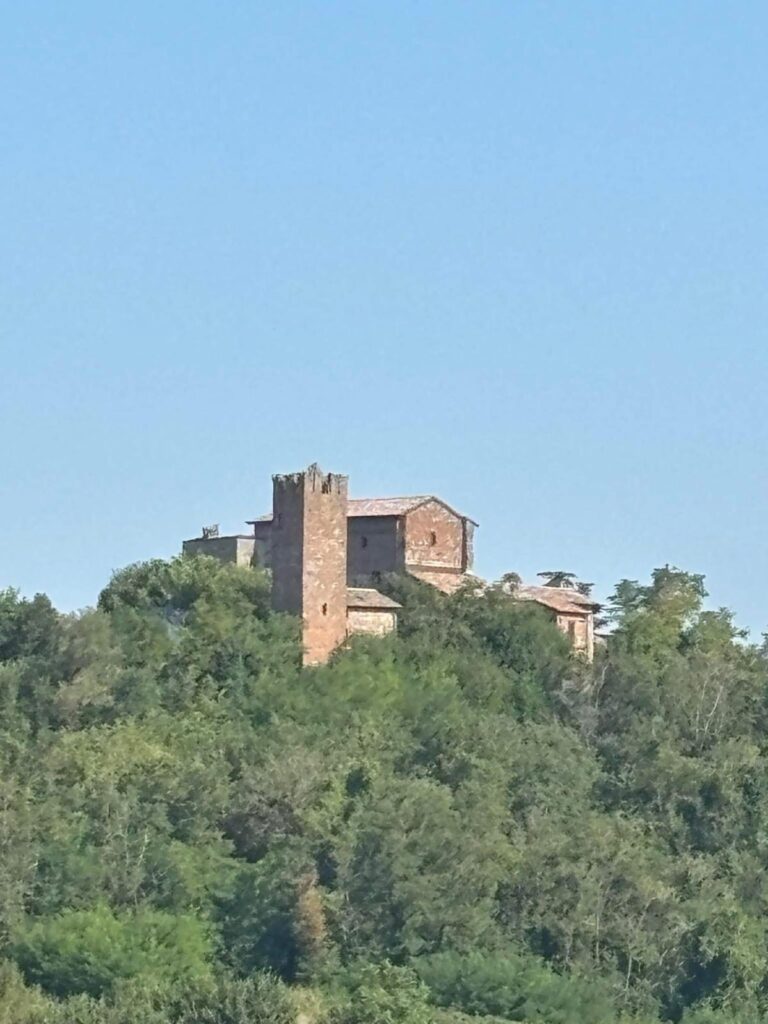
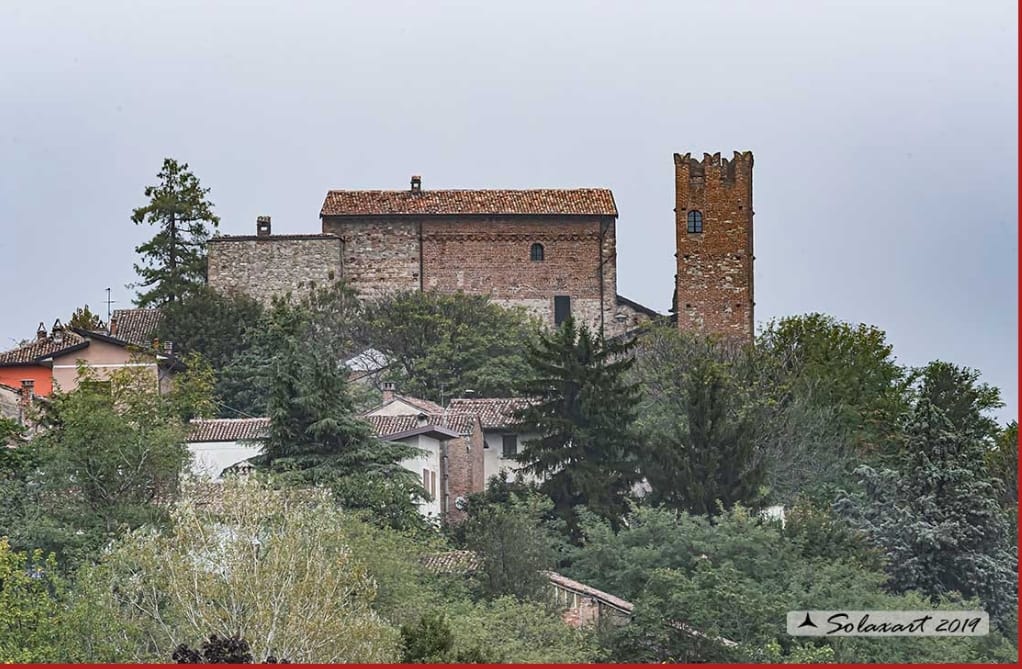
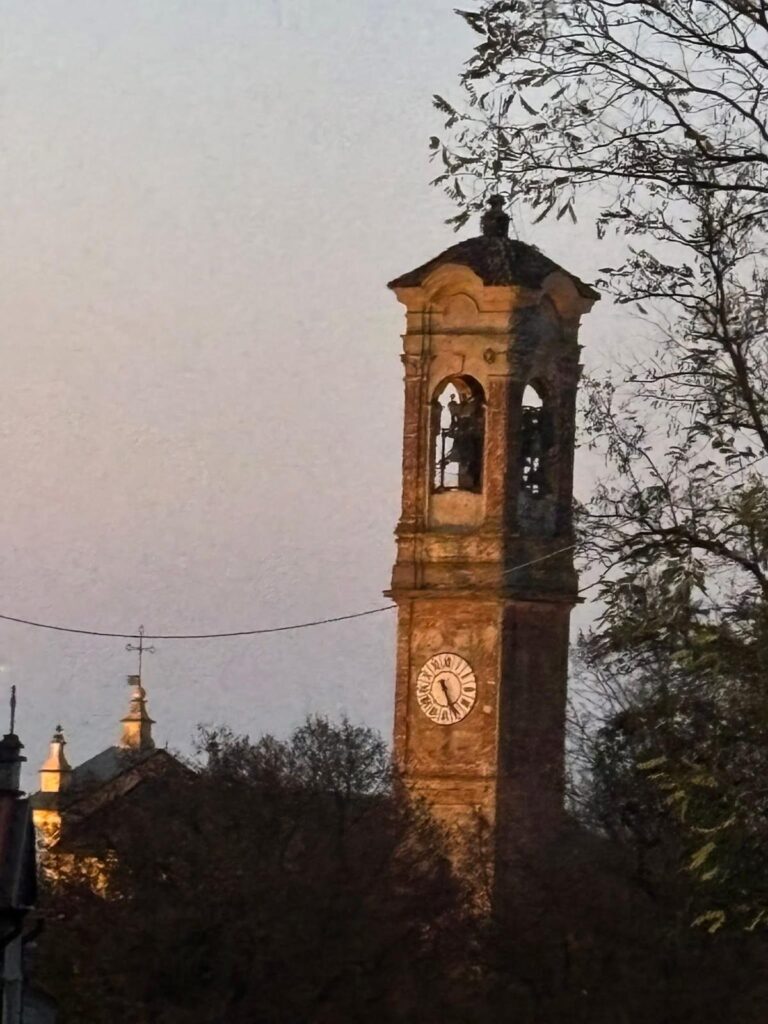
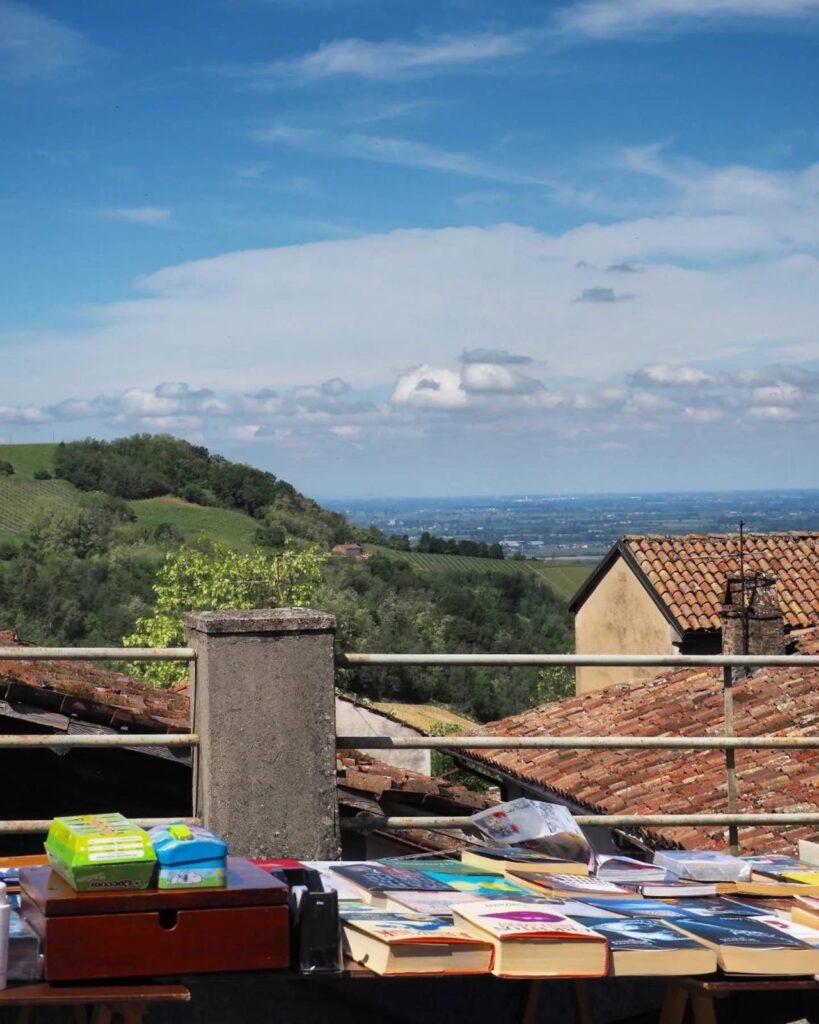
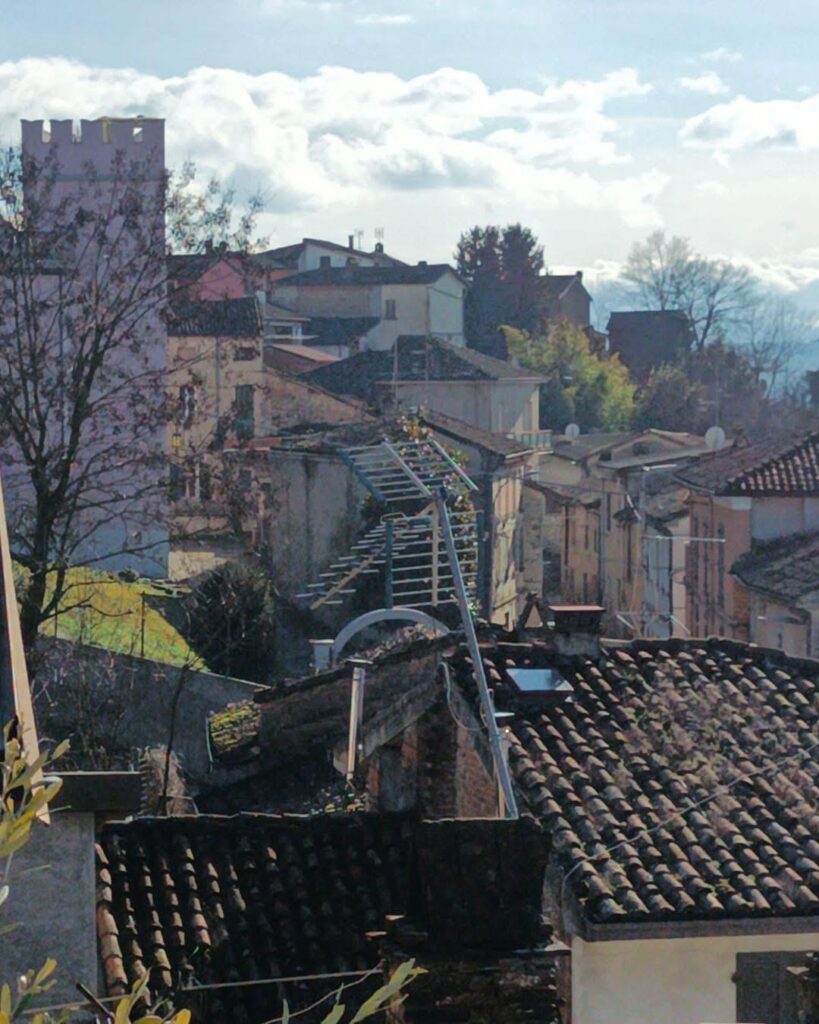
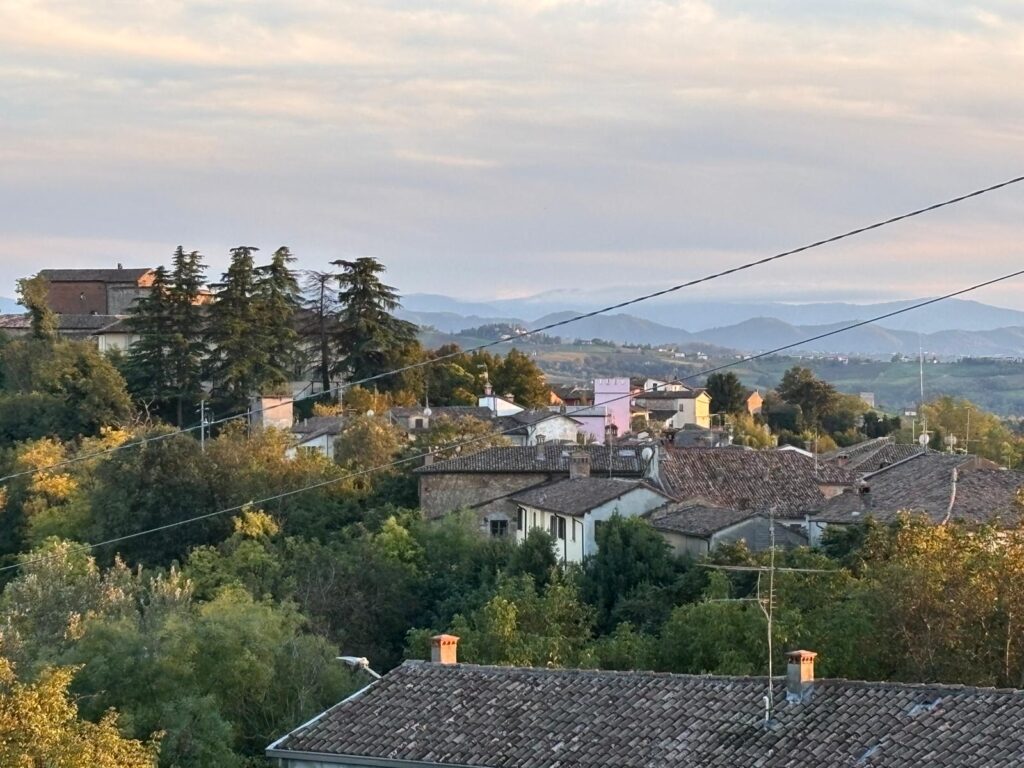
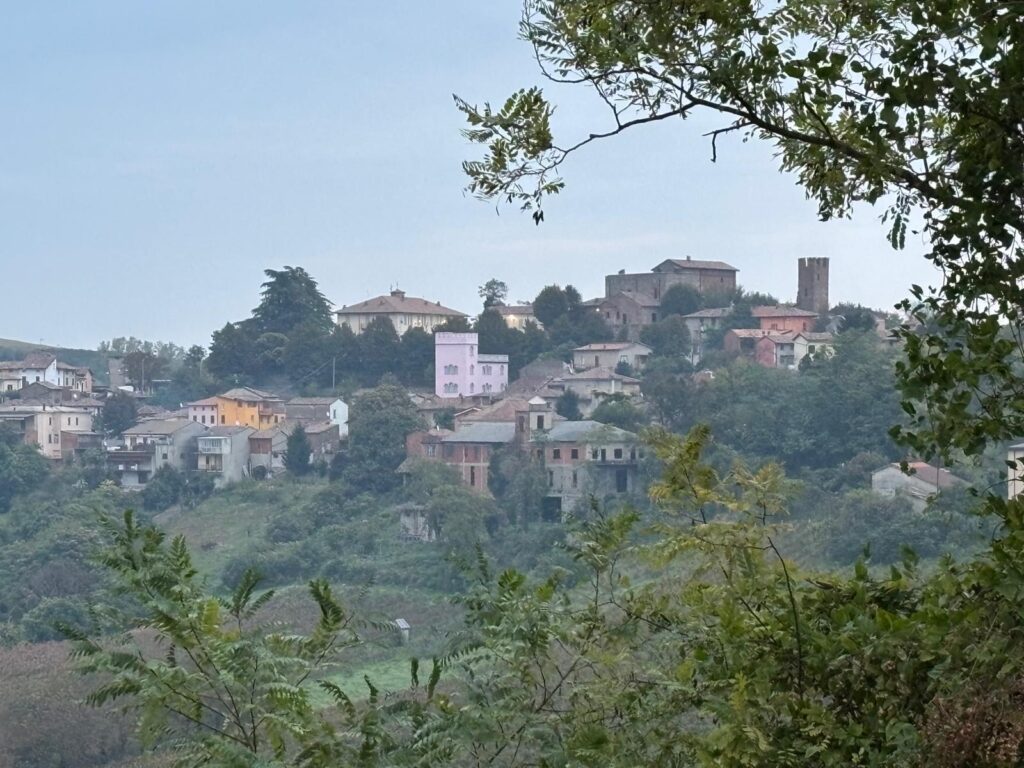
Testori spoke to Italy Now on July 24. The two properties are in via Moretti and via Vedaschi, in the medieval centre below the castle.