IRSINA, Matera — A three-night Baroque music festival in this tiny hill town in Basilicata, southern Italy, ended on June 14, 2026, with the clear aim of pulling travellers away from Italy’s overcrowded cities into a region losing its people.
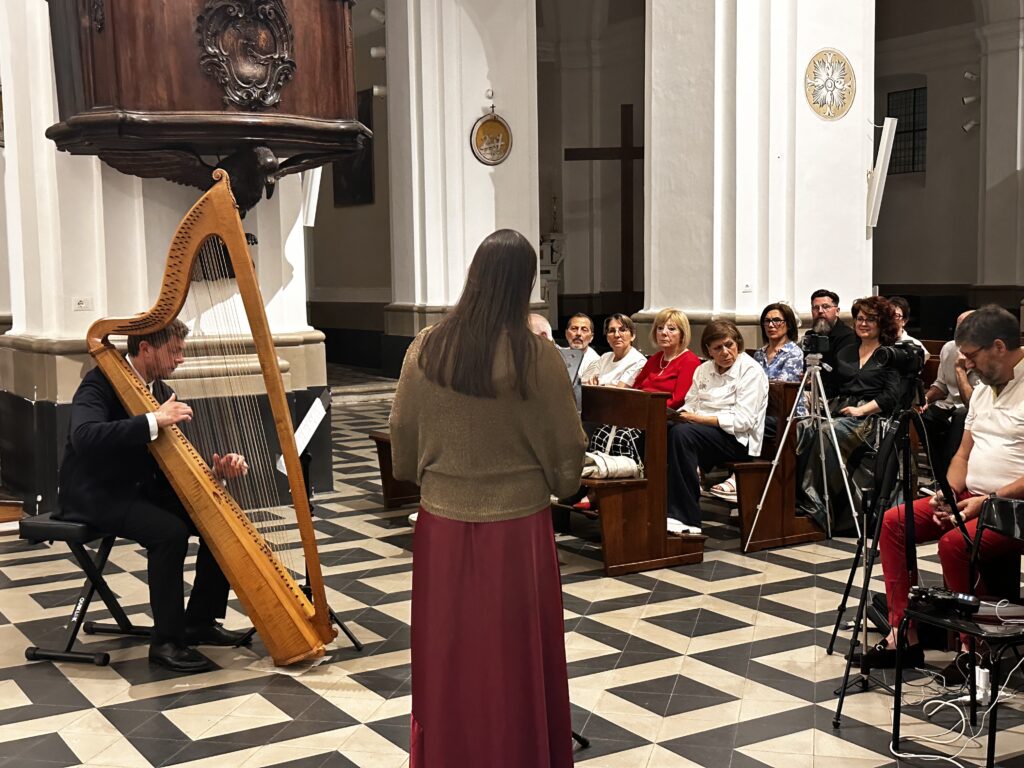
The Giovanni Maria Trabaci Baroque Music Festival, now in its second year, filled the town’s concattedrale (co-cathedral) with seventeenth-century music. It is backed by the Basilicata Region, the local village association and FAI (Fondo Ambiente Italiano, Italy’s national trust).
“When we launched this festival a year ago, we made a precise commitment, not to stage an isolated event but to begin a lasting cultural journey,” mayor Giuseppe Candela told Italy Now. “We want Irsina to be known as the city of Giovanni Maria Trabaci.”
Trabaci was an organist and composer born here around 1575, when Irsina was still called Montepeloso (Hairy Mountain). He rose to lead the royal chapel of Naples and left keyboard and sacred works ranked among the most inventive of the early Baroque.
Overtourism, depopulation
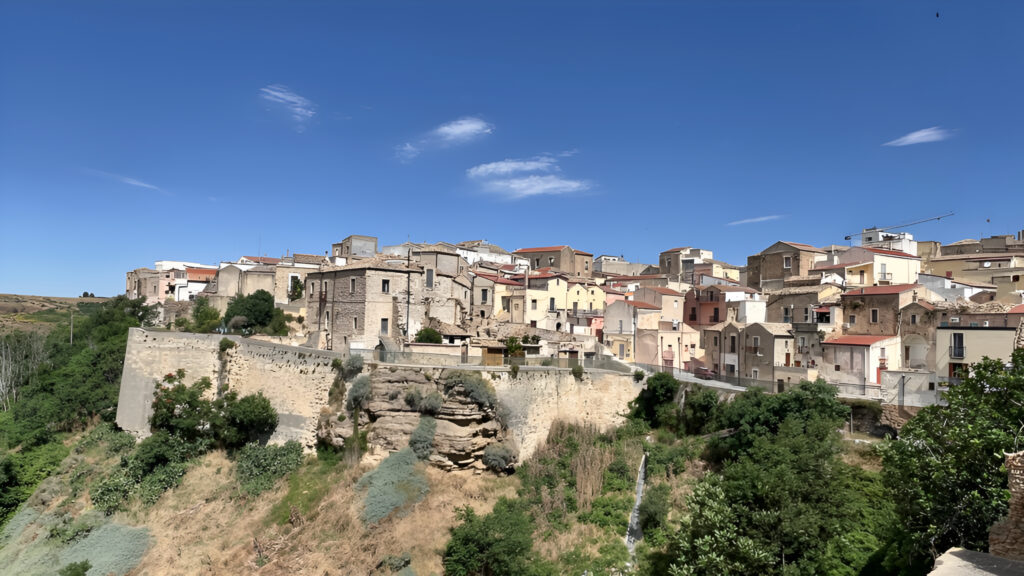
Irsina belongs to I Borghi più belli d’Italia (The Most Beautiful Villages of Italy, a national association) even though it has been losing residents since the 1960s. According to ISTAT, Italy’s national statistics office, its population has fallen by about 60 percent since its 1961 peak, from 11,327 residents to 4,441 in the 2021 census. Foreign buyers from a dozen countries have since moved in, restoring abandoned houses.
“It is a wonderful example of an open community, the result of an extraordinary synergy between the people of Irsina and foreign residents from Ireland, Belgium and Greece,” said Antonio Coletta of Cooperativa Arenacea, the group behind the event.
Giuseppe Castellaneta, a local surveyor, said the festival stirs the whole community, bringing “a cultural and economic stimulus at the same time.”
The programme reached far beyond Basilicata. Irish soprano Susan Carty sang in the cathedral, which struck Domenick Lundy, a retired carpenter from Northern Ireland now settled in Irsina.
While it serves as one instrument against overtourism, allowing the benefits to be leveraged in other areas, it also “draws a different crowd. It is not the average sort of thing that people go to see,” Lundy said, adding that he had never heard Baroque music before arriving.
For a town that has lost its young for decades, the logic is plain. Ease the crush on Rome, Florence and Venice, and let a composer give Irsina a reason to fill its streets again.
With additional reporting by Alina Trabattoni