VENICE — Between the main exhibition In Minor Keys, the artists in the renovated Central Pavilion and the debate over the national pavilions, the 61st edition promises to be one of the most talked-about in recent years.
With one month to go before the 61st International Art Exhibition opens on 9 May 2026, this year’s Biennale is already generating more controversy than any edition in recent memory. The absence of Italian artists from the Central Pavilion and the threatened return of Russia have ignited a debate that cuts to the heart of art, identity, and geopolitics.
The exhibition proceeds under the shadow of loss. Koyo Kouoh, the Cameroonian-Swiss curator who conceived the programme, died in May 2025. The Biennale board chose to honour her vision intact, with the title “In Minor Keys,” the artist selection, and the curatorial team remain as she intended. Her framework invokes what she called a minor-key grammar of fertility, sharing, and collective practice, with a pronounced emphasis on non-Western and historically marginalised voices.
Italian, Russian tensions
The most contentious fact is a simple one: none of the 111 artists selected for the Central Pavilion, which reopens after a €31 million restoration, is Italian. The omission has provoked sharp reactions across the Italian art world, ranging from wounded pride to more considered questions about where Italy stands in the global contemporary art system. Whether the absence reflects a curatorial statement or a structural marginalisation remains hotly disputed.
“The Central Pavilion is the ideological heart of the exhibition, and its choices send a signal that reverberates well beyond Venice,” an Italian art curator who declined to be identified told Italy Now.
The second fault line concerns the Russian pavilion, closed since 2022 following the invasion of Ukraine. Reports indicate that 22 countries have written to Biennale president Pietro Buttafuoco to contest any Russian return. Boycott threats and open letters from artists and curators have multiplied. Buttafuoco has defended the institution’s position by citing its statute, under which all countries recognised by the Italian Republic may participate.
“Art is freedom. An artist isn’t defined by his skin colour, by his origins or by his beliefs,” gallery-owner Dorothea van der Koelen told Italy Now. “Ultimately, it’s all about the aesthetic of the artwork, and not about politics, because then it becomes propaganda,” she added. Van der Koelen owns the La Galleria art gallery in central Venice.
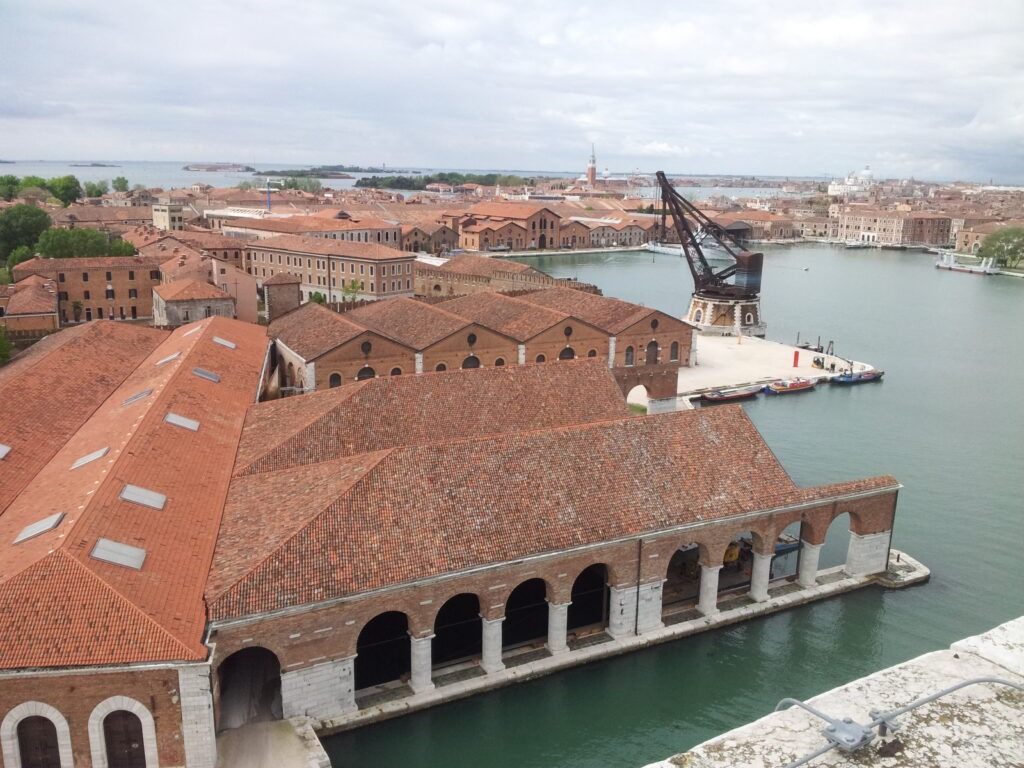
The arrival of seven new participating nations, including Qatar, Vietnam, and El Salvador, has sharpened the debate over what cultural neutrality means in a world at war. Across 99 national participations and 31 collateral events, spread through the Giardini, the Arsenale, and venues across the city, the 61st Biennale is shaping up to be the most politically charged edition in a generation.
The Biennale runs through November 22 this year.