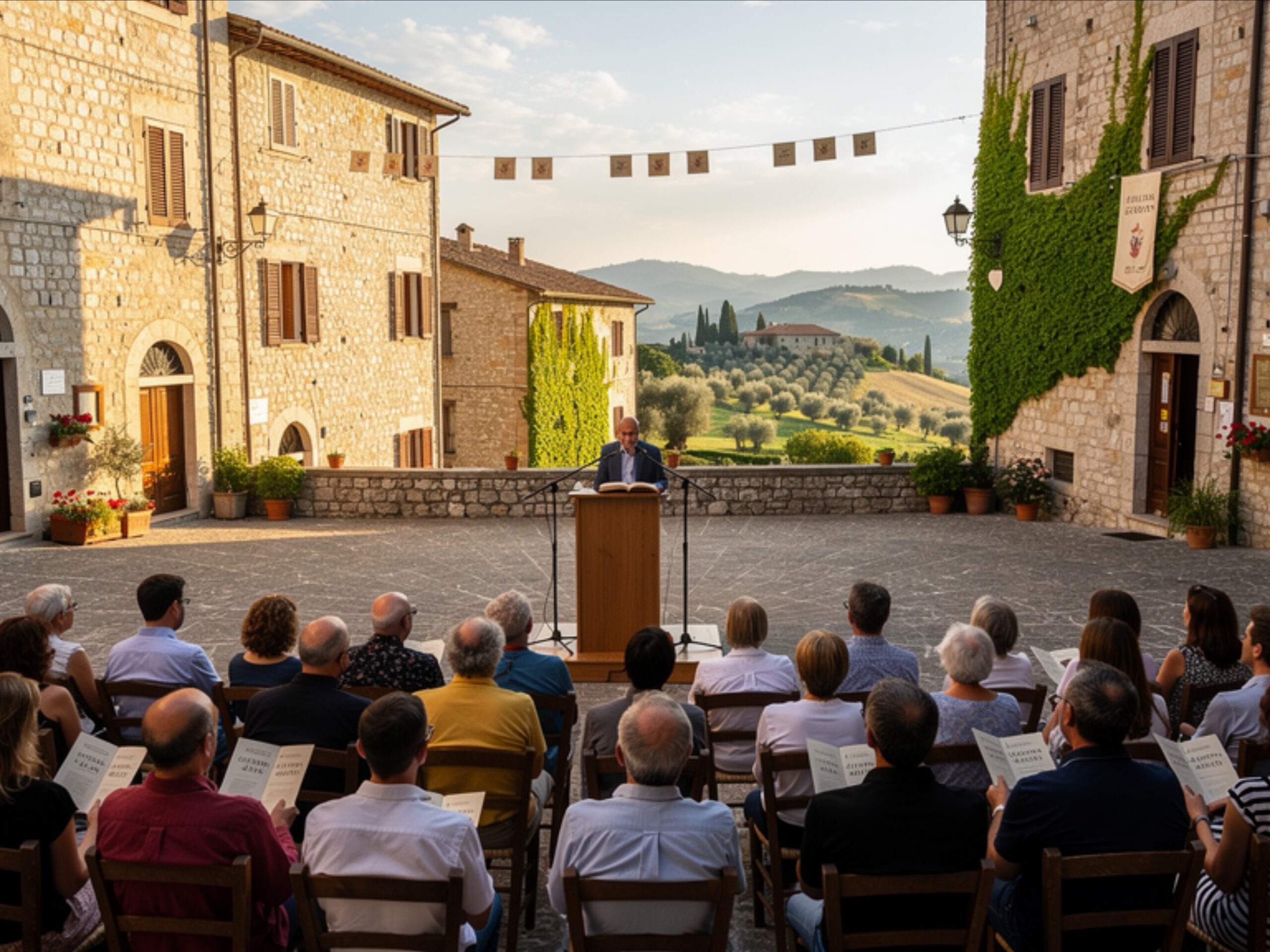

TRENTO, Trentino-Alto Adige — Italian cultural festivals cross a decisive threshold only once they survive ten years of editions, when they turn from one-off gambles into stable institutions, according to detailed research carried out by Italy’s leading newspaper Il Sole/24 Ore. Trento’s Festival dell’Economia, now in its 21st year, is offered as the clearest case, according to Flavio Deflorian, rector of the University of Trento.
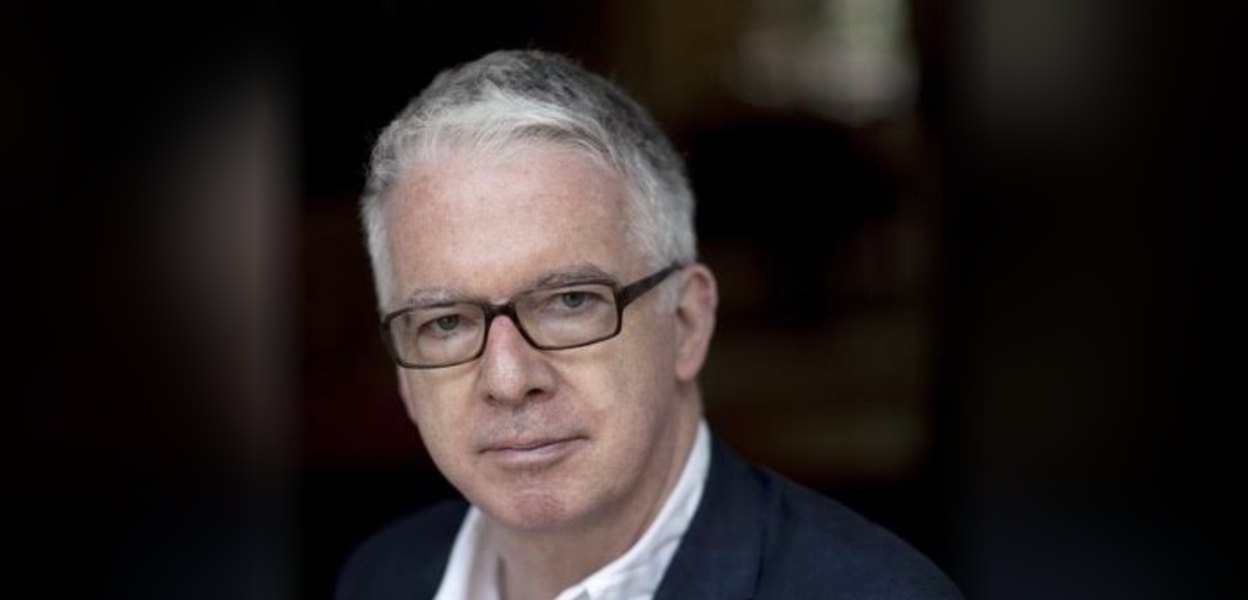
“Festivals are not just showcases of prestige or moments of cultural entertainment, but genuine workshops of strategic knowledge,” Deflorian told Sole/Ore describing why the university opens its gates each May to economists, students, and Nobel laureates.
The same logic holds well beyond Trento. “Many of the festivals that survive aren’t something somebody invented to bring in tourists,” said Francesca Elisabetta Owens, founder of Travel From the Inside Out, “they’re celebrations of what people already grow and live with every year. When the tourists go home, the reason for the festival is still there.”
Ten year threshold
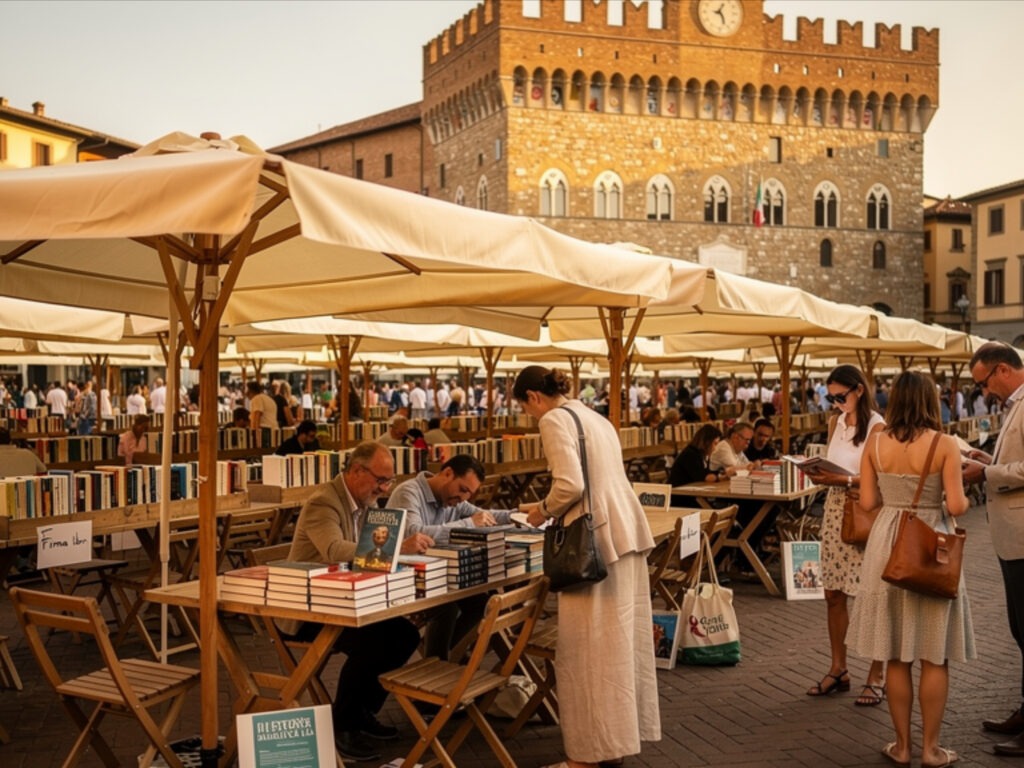
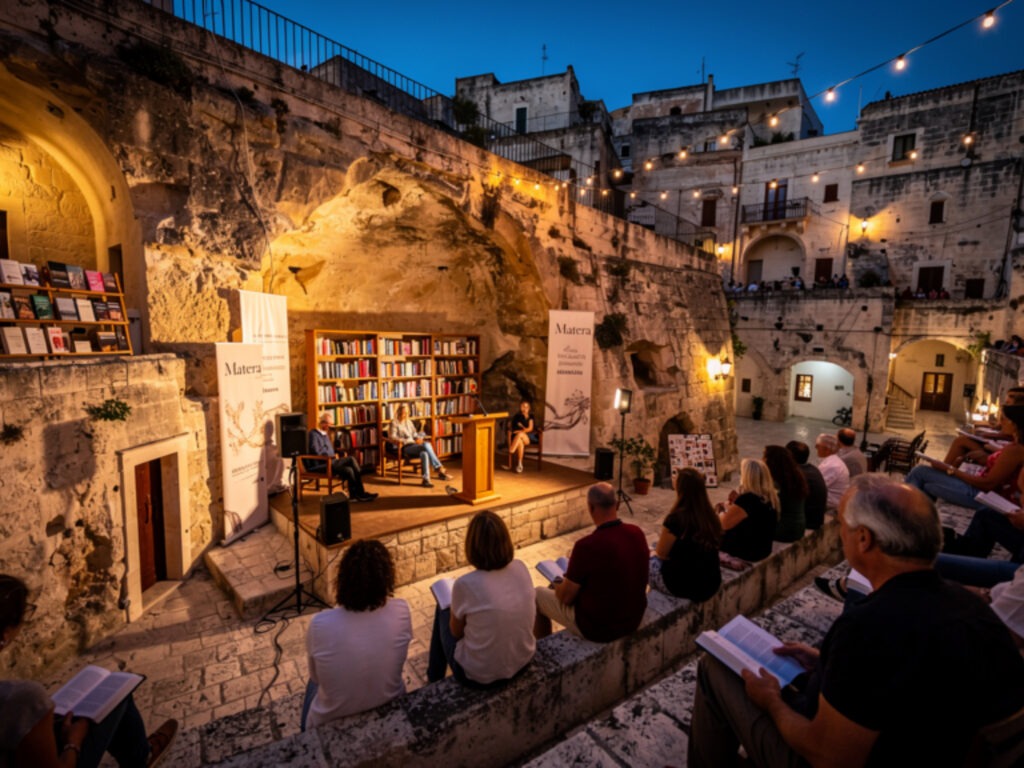
TrovaFestival, an observatory founded in 2016, counted 2,755 active festivals in Italy and Canton Ticino by the end of 2025 through its DBFest database, detailed in Giulia Alonzo’s new book I festival culturali in Italia (Cultural Festivals in Italy). Roughly 900 of those launched in the last five years, while more than 500 have closed or paused since 2018.
Paola Dubini, the Bocconi University professor who directs DBFest, argues the mortality curve tells the real story, according to the newspaper. Most closures hit in a festival’s first three years, she found, after which survival rates climb sharply and organizers begin hiring permanent staff instead of seasonal volunteers.
Federculture, Italy’s leading cultural trade association, also reached a similar conclusion in its own annual report in July, tracking climbing cultural tourism nationwide. Music and literature remain the two largest genres, with 594 and 589 festivals respectively, though more than a third of all Italian festivals now run in towns of fewer than 2,000 residents. Federculture also noted that Italy still ranks 23rd among 27 European Union countries in public cultural spending, a gap each festival’s own sponsors and volunteers help offset.
Older by decades
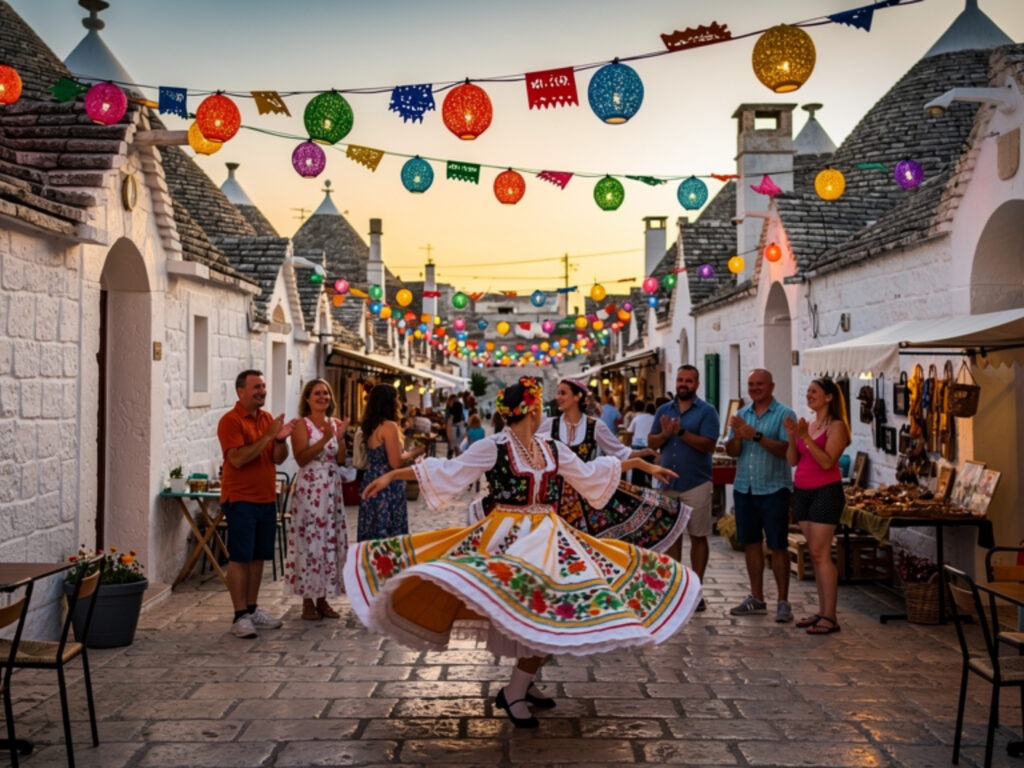
Older festivals prove the durability directly. Umbria’s Festival dei Due Mondi in Spoleto, founded in 1958, reached its 69th edition this year. Liguria’s Festival della Mente, in Sarzana, marked its 23rd edition this month. Giffoni, the youth film festival in Campania, has now reached a 56th edition with programming that runs year round rather than one week in summer.
For Trento, the payoff extends beyond one week in May, Sole said. Deflorian says the festival’s academic conversations regularly turn into research partnerships and technology transfer projects, while organizing the event has become, in his words, a training ground in responsibility for the student volunteers who staff it. Ten years in, a festival stops being a gamble and starts being infrastructure that a city keeps for good.