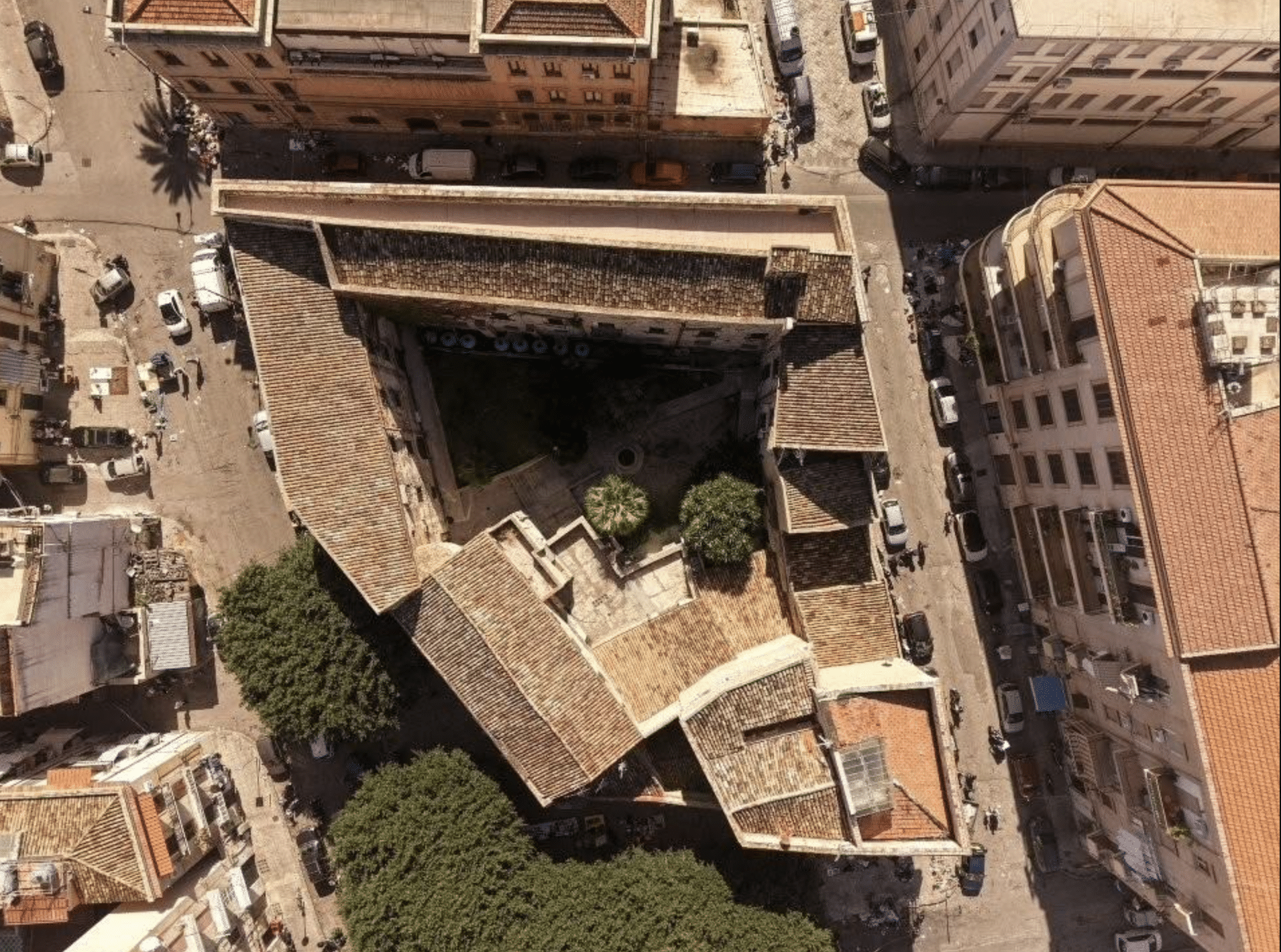

PALERMO — For centuries, the stone walls of the Reclusorio Femminile in Palermo’s Ballarò district kept women apart from the city. Now a state agency has backed a plan to turn part of it into a museum of the Italians who left.
Invitalia, Italy’s national agency for investment and enterprise development, has approved a €1.27 million investment programme for the International Museum of Roots (ROOTS), its promoters announced this week.
“As the son of Italian immigrants, I feel this initiative touches a deep chord in our identity,” said Daniel Terracciano, an architect and writer in La Plata, Argentina, who founded the city’s Circolo Campano for emigrants from Campania. “Roots travel, and they never stop bringing us together.”
“The state, through Invitalia, has recognised the value of our proposal,” said Giovanni Callea and Davide Morici, who lead the Fondazione Made in Sicily Museum.
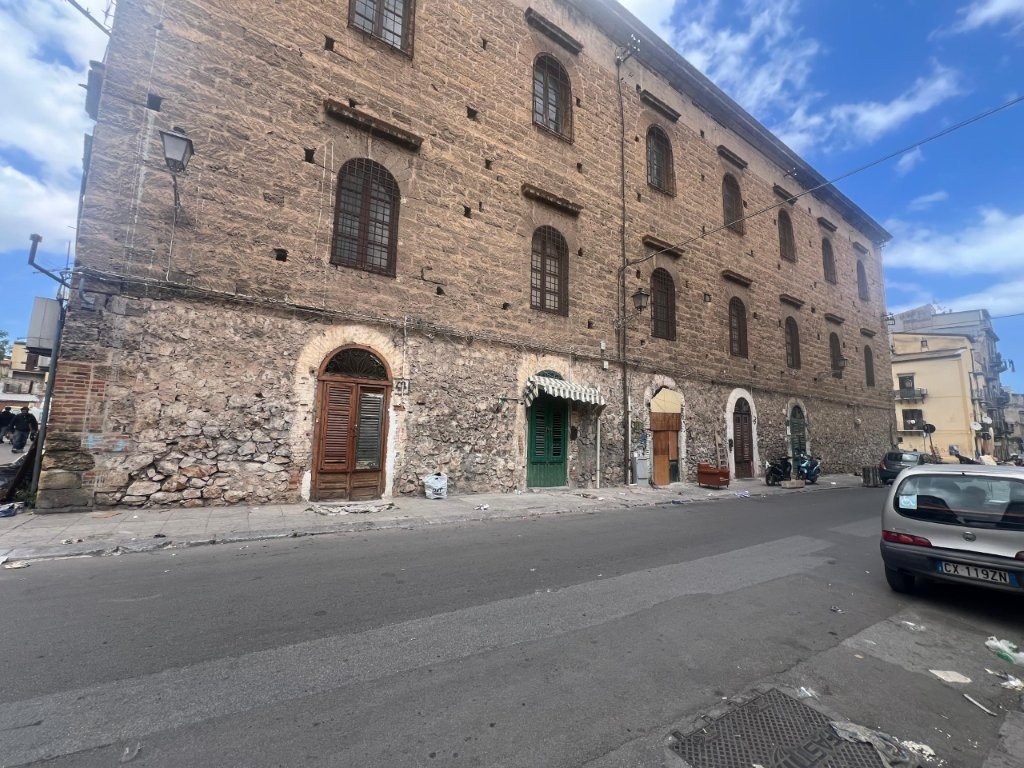
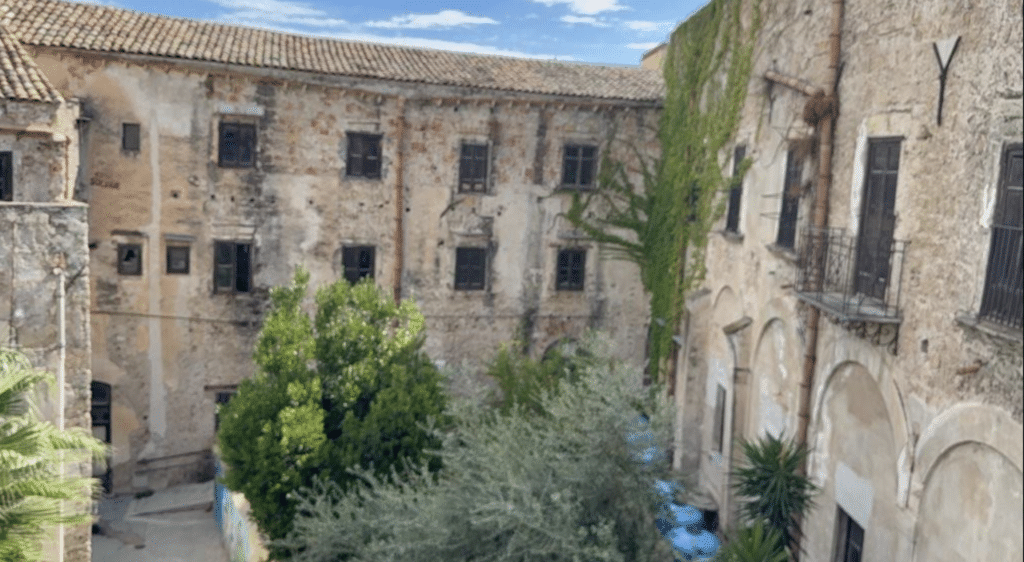
The decision caps public support at about €1 million, made up of a €381,051 grant and a €635,085 zero interest loan repayable over 10 years. Conditions apply.
The application came from Più Trentanove, a società benefit (a company legally bound to pursue a social purpose alongside profit). The Opera Pia Santa Lucia, the public charity that owns the building, has yet to ratify the co-design agreement behind the project.
A house abroad
The museum’s first guests will be 32 Italians abroad, honoured at Palermo’s Teatro Massimo on January 4, 2027, among them Celestino Drago, who left Galati Mamertino, Sicily, in 1979 and now runs restaurants in Los Angeles.
“Recipes, ingredients, and la cucina italiana were the connection across generations and distance,” said Edwin Garrubbo, author of Sunday Pasta and the Garrubbo Guide. “I’d be interested to see whether the ROOTS project includes a real component that ties food into the story, not just as background but as part of the art and the experience of reconnection.”
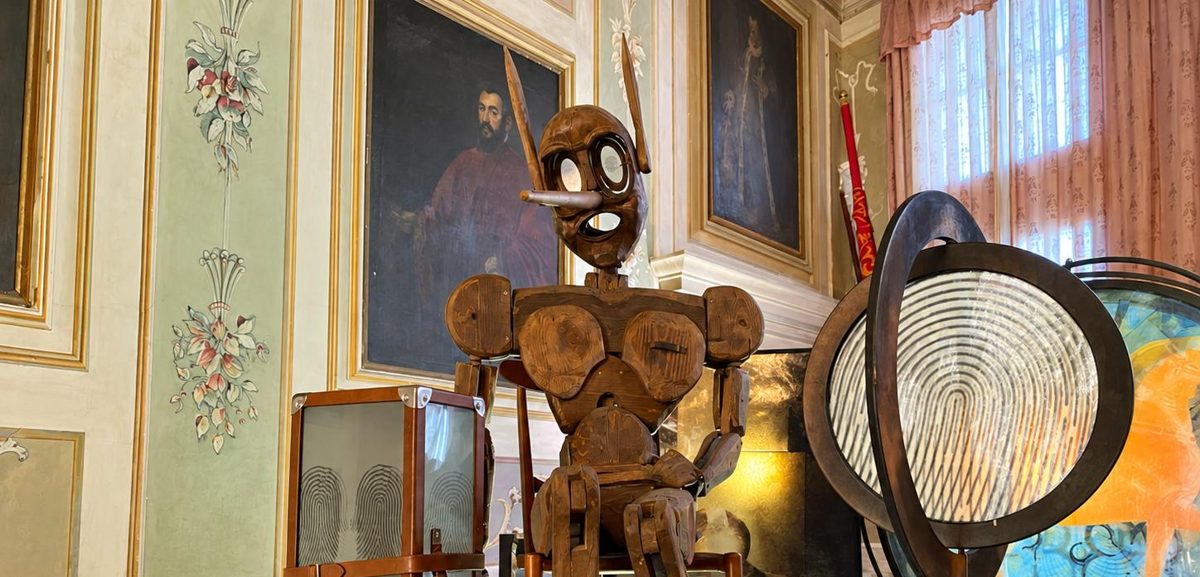
Artist Giulio Rosk’s first piece for the museum arrives in December. It honours two Sicilian women, folk singer Rosa Balistreri and magistrate Francesca Morvillo.
The San Saverio social centre, which has worked inside the building since 1986, will keep its rooms, the foundation says.
“If the museum collects what was produced abroad, and shows it as Sicilian work, then it changes something,” said Davide Tanasi, an archaeologist at the University of South Florida.
In rooms once used to confine women, two women will be shown first.